

Ladakh Leaders Dismiss Central Government’s Governance Proposal, Seek Greater Autonomy
The Kargil Democratic Alliance (KDA) has formally rejected the governance framework draft submitted by the Union government for Ladakh, asserting that it excessively empowers the lieutenant governor...

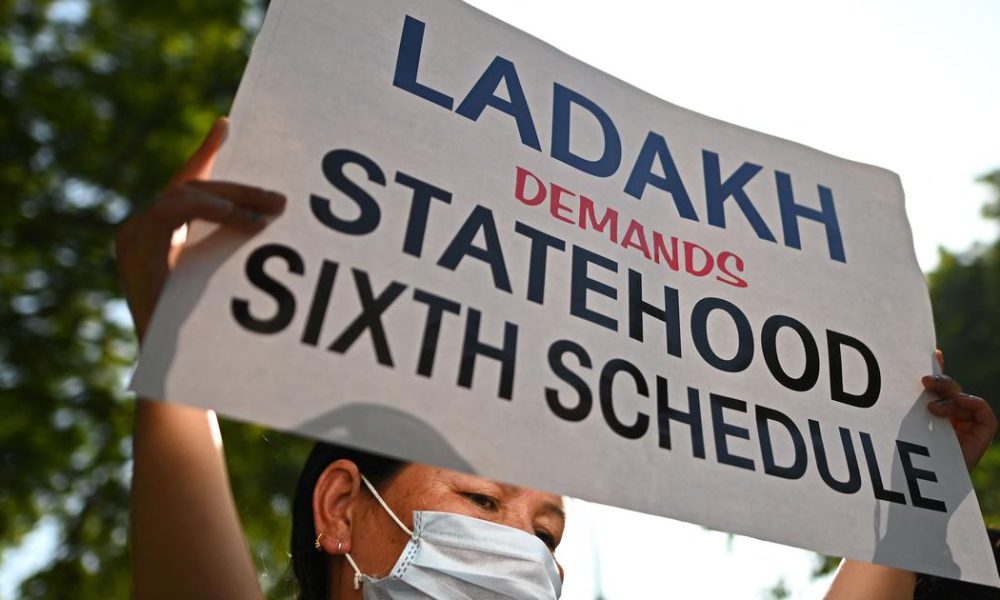
The Kargil Democratic Alliance (KDA) has formally rejected the governance framework draft submitted by the Union government for Ladakh, asserting that it excessively empowers the lieutenant governor and bureaucratic institutions while significantly diminishing the authority of any proposed local elected body. The draft, presented on October 15, has sparked renewed tensions in a region that has been advocating for greater democratic participation and autonomy.
This rejection follows a week of stalled discussions between the KDA and the Apex Body Leh, both of which have been spearheading demands for statehood in Ladakh. The subcommittee formed from these two groups recently met with officials from the Ministry of Home Affairs to discuss the necessity for improved democratic representation in the Union Territory. However, the conversations have faltered, with both sides attributing the lack of progress to the other’s inflexibility.
Ladakh, which used to be a part of Jammu and Kashmir, was converted into a Union Territory in August 2019 when the BJP-led central government revoked the special status previously enjoyed by the state under Article 370 of the Constitution. Unlike Jammu and Kashmir, Ladakh was established as a Union Territory without its own legislature, raising alarms among local residents about the potential risks to their land, cultural heritage, and fragile ecosystem. The absence of a legislative assembly has led to fears that Ladakh’s unique identity and its natural resources could be compromised.
Since 2019, the people of Ladakh have articulated four primary demands: statehood for Ladakh, constitutional safeguards under the Sixth Schedule to protect their cultural and economic rights, a comprehensive land-use policy, and sustainable development measures to preserve the region’s ecology. These demands reflect a growing discontent with the central government’s approach and the perceived disenfranchisement of the local populace.
As the standoff continues, the KDA remains resolute in its fight for enhanced autonomy and representation. The rejection of the governance framework indicates a broader call for local governance that truly reflects the aspirations and needs of the people of Ladakh. In a rapidly evolving political landscape, the future of governance in this strategically significant region remains uncertain, with ongoing debates likely to shape its trajectory in the coming years.
Source: scroll.in



No Comment! Be the first one.