

Protesters Draw Parallels Between Historical Oppression and Current Police Brutality in Delhi
On October 17, a gathering of women stood outside the Delhi Police headquarters to voice their dissent against the alleged police brutality and sexual assault during recent protests against Chief...

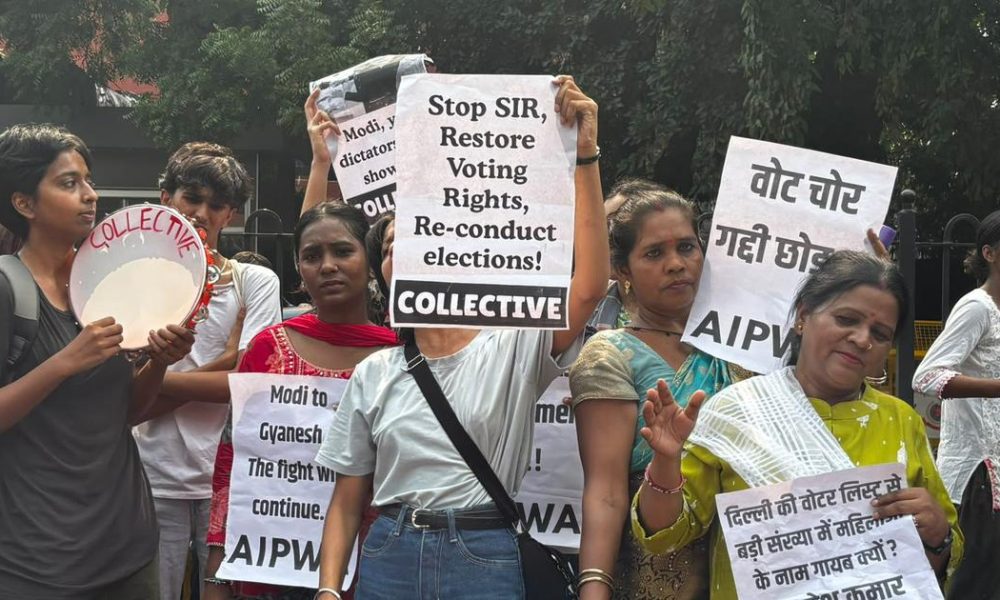
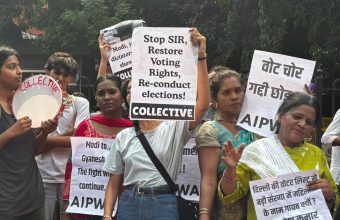
On October 17, a gathering of women stood outside the Delhi Police headquarters to voice their dissent against the alleged police brutality and sexual assault during recent protests against Chief Election Commissioner Gyanesh Kumar. Chanting ‘Delhi Police, sharam karo’ (Delhi Police, you should be ashamed), the protesters aimed to highlight the disturbing actions of law enforcement during demonstrations that have captured the public’s attention.
Among the demonstrators was Devyani Sarkar, a master’s degree student from Delhi University. While raising her voice against the actions of the police, Sarkar expressed her belief that the more the authorities try to silence the public, the more their anger will resonate in the streets. She referred to a notable quote attributed to the legendary freedom fighter Bhagat Singh: ‘Gore angrez chale jaayenge, kaale angrez aa jaayenge,’ which translates to ‘The white British will leave, but the black British will take their place.’ For Sarkar, this sentiment encapsulates the ongoing repression faced by citizens under the Delhi Police and the government led by Prime Minister Narendra Modi.
Sarkar’s perspective reflects a broader sentiment among protesters, who are increasingly drawing on historical references to articulate their current frustrations. Many participants in recent protests are looking back to India’s colonial past to illustrate the perceived similarities between British oppression and present-day government actions. The protests began to gain momentum on October 9, leading up to significant demonstrations against Kumar for accusations of irregularities in the electoral process.
In recent weeks, the mobilization of students and other activists has highlighted the growing discontent with the current administration’s handling of various issues, from civil rights to governance. The protests are not merely about one individual or event; rather, they signify a collective yearning for accountability and justice. As demonstrators rally in cities across India, their calls for change echo the historical struggles for freedom, reminding many of the sacrifices made during the fight against colonial rule.
As the protests continue, it remains to be seen how the government will respond to the rising tide of dissent. The parallels drawn by activists between the past and the present serve as a stark reminder of the ongoing battle for rights and justice in India. With voices from different backgrounds uniting in their demand for change, the narrative surrounding these protests is likely to evolve, intertwining historical context with contemporary issues.
Source: scroll.in


No Comment! Be the first one.