

Delhi High Court Dismisses Neha Bora’s Plea Against Bond Notice for Maintaining Peace
The Delhi High Court has rejected a plea filed by Neha Bora, a prominent student leader and president of the All India Students’ Association, contesting a notice issued by a special executive...

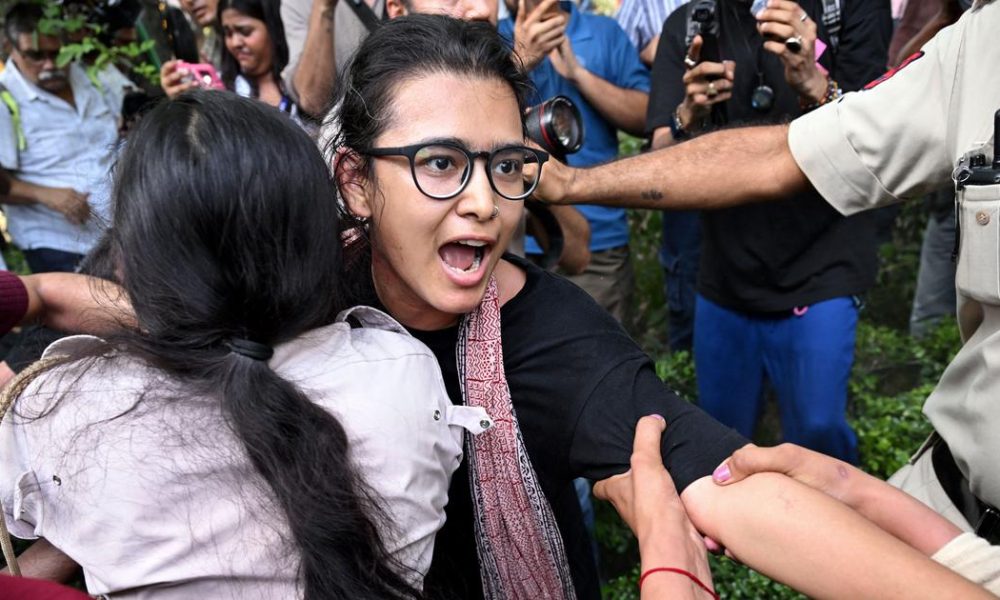
The Delhi High Court has rejected a plea filed by Neha Bora, a prominent student leader and president of the All India Students’ Association, contesting a notice issued by a special executive magistrate. The notice mandated her to provide a bond aimed at maintaining peace during an ongoing inquiry. This decision was announced on Friday, as reported by Bar and Bench.
Neha Bora was apprehended on October 16 while participating in a flash protest organized by her student group near Barakhamba Road. The demonstrators were calling for the resignation of Chief Election Commissioner Gyanesh Kumar. Following her detention, Bora claimed that she was taken to an undisclosed location before being transferred to RK Puram Police Station, where she spent the night before being released early the next morning.
On October 17, a notice issued by the special executive magistrate instructed Bora to submit a personal bond of ₹10,000 along with surety to ensure that she would maintain peace throughout the inquiry process. During the hearing on Friday, Justice Subramonium Prasad upheld the magistrate’s order, indicating that adequate safeguards were put in place for the inquiry. He clarified that the magistrate had been directed to provide Bora with all relevant materials prior to issuing any further orders.
The legal framework for this bond notice stems from Sections 126, 130, and 135(3) of the Bharatiya Nagarik Suraksha Sanhita. These provisions empower a magistrate to instruct individuals to justify why they should not be required to furnish a bond for maintaining public peace. This legal backdrop underscores the ongoing tension between state authority and civil rights, especially concerning the expression of dissent in public spaces.
Bora’s case has highlighted the increasing scrutiny faced by student activists in India, particularly those engaged in protests that demand political accountability. As student movements gain momentum in the country, developments like these raise important questions about freedom of expression and governmental responses to dissent.
Source: scroll.in






No Comment! Be the first one.