

India’s Internet Future: The Case for Embracing Starlink with Caution
On October 7, tech entrepreneur Elon Musk took to the platform X, alleging that unnamed ‘oligarchs’ were hindering the entry of his satellite internet service, Starlink, into the Indian...

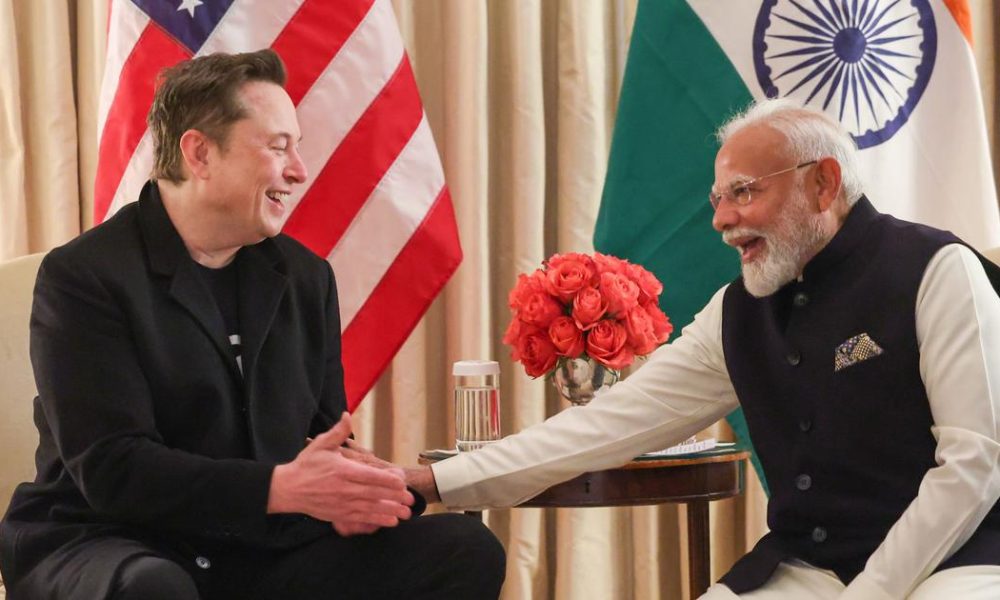
On October 7, tech entrepreneur Elon Musk took to the platform X, alleging that unnamed ‘oligarchs’ were hindering the entry of his satellite internet service, Starlink, into the Indian market. Musk characterized this blockade as a ‘crime against the people of India’. However, the Indian government swiftly dismissed his allegations as ‘baseless and misconceived’. Officials clarified that all three satellite internet service providers in the country—Starlink, Reliance Jio’s Jio Satcom, and Eutelsat OneWeb—are at approximately the same stage in the regulatory approval process, awaiting necessary security clearances before being assigned spectrum.
This exchange has generated considerable media buzz, but it raises more profound questions than the mere entry of Starlink into India. The crucial consideration revolves around the terms of entry and, more importantly, who will control this vital service.
Data from the Telecom Regulatory Authority of India reveals that as of March, the country had around 1.09 billion internet subscriptions. However, this figure masks a significant digital divide. Urban areas see an impressive average of 127 subscriptions for every 100 individuals, while rural India lags severely with a mere 48 subscriptions per 100 people. Furthermore, reports from the Internet and Mobile Association of India estimate that about 38% of the population, equating to nearly 58 crore people, remain without active internet connectivity.
The digital divide in India is not just a statistic; it reflects broader socio-economic inequalities that affect education, employment, and access to services. Given this context, the introduction of a service like Starlink could potentially bridge this gap, delivering high-speed internet to remote and underserved areas. However, it is imperative that the Indian government ensures that such an initiative is not only beneficial but also controlled by local stakeholders who understand the nuances of the Indian market.
For India to leverage this technology effectively, it must establish regulatory frameworks that prioritize the needs of its citizens. The government needs to facilitate an environment where foreign players like Musk’s Starlink can thrive while also safeguarding national interests, including data sovereignty and local employment. As the digital landscape evolves, India stands at a crossroads, with the opportunity to either deepen its digital divide or enhance connectivity for millions.
Source: scroll.in







No Comment! Be the first one.