

Bibha Chowdhuri: The Physicist Who Brought the Invisible World of Cosmic Rays to Light
In the late 1930s, Indian physicist Bibha Chowdhuri embarked on an unconventional scientific quest that transformed the understanding of cosmic rays. In 1939, at the age of 26, she authored a...

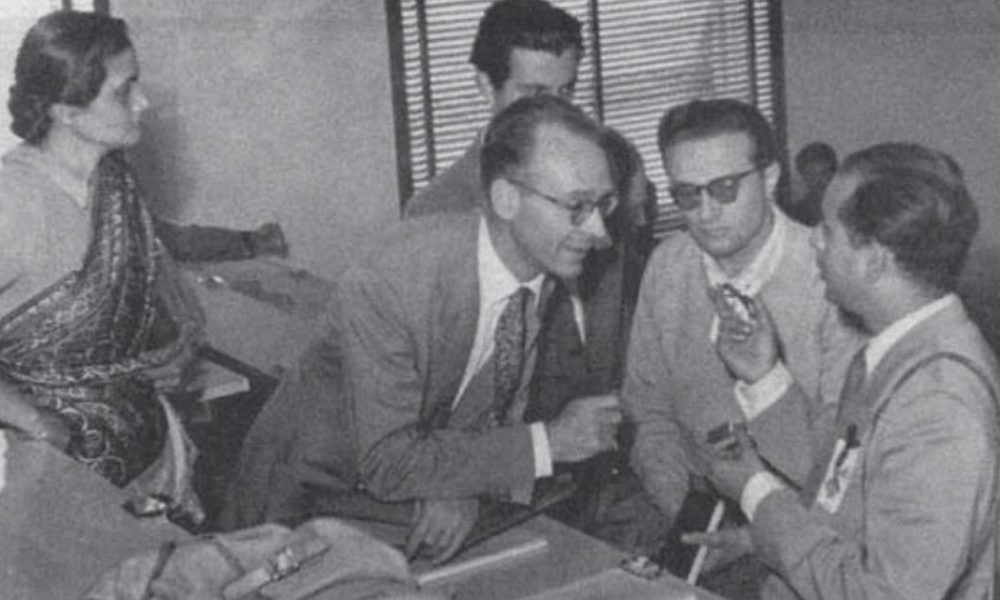
In the late 1930s, Indian physicist Bibha Chowdhuri embarked on an unconventional scientific quest that transformed the understanding of cosmic rays. In 1939, at the age of 26, she authored a groundbreaking article that, at first glance, appeared to outline a peculiar scavenger hunt involving photographic plates strategically placed in various locations such as Calcutta, Darjeeling, and the Dak Bungalow at Sandakphu. However, Chowdhuri was not in pursuit of hidden treasures but was instead investigating the elusive traces of cosmic radiation.
Her innovative approach involved preparing photographic plates with samarium sulphate, which were then exposed to cosmic rays for several months. The results of her experiment at Sandakphu were nothing short of remarkable. When the plates were developed, they unveiled 30 distinct “star-like tracks,” which served as microscopic evidence of nuclear disintegration. This groundbreaking work allowed scientists to visualize an otherwise invisible interaction between cosmic rays and matter, paving the way for further exploration in the field.
Chowdhuri’s pioneering experiment represented a significant advancement in scientific imaging, an area being developed concurrently by physicist Marietta Blau, who also employed photographic emulsions to detect subatomic events. Collaborating closely with renowned physicist D. M. Bose at Calcutta’s Bose Institute, Chowdhuri refined techniques for identifying different particles based on the unique tracks they left on photographic plates. Her contributions played a vital role in a series of experiments that ultimately led to Cecil Powell being awarded the Nobel Prize for his research on mesotrons.
The significance of Chowdhuri’s work has been highlighted in a biography titled “A Jewel,” authored by physicists Suprakash C Roy and Rajinder Singh. This biography not only recounts her scientific achievements but also sheds light on the challenges and triumphs she faced as a woman in a predominantly male-dominated field during her time.
Despite her monumental contributions, Bibha Chowdhuri’s legacy remains relatively obscure in the annals of Indian science. However, her pioneering spirit and innovative methodologies have left an indelible mark in the field of physics, inspiring future generations of scientists, particularly women, to explore the realms of science with curiosity and determination.
Source: scroll.in







No Comment! Be the first one.