

Belgian Physicist Francis Halzen Receives Nobel Prize for Pioneering Work on Astrophysical Neutrinos
The Royal Swedish Academy of Sciences has awarded the Nobel Prize in Physics to renowned Belgian physicist Francis Halzen for his groundbreaking work in the field of high-energy neutrinos originating...

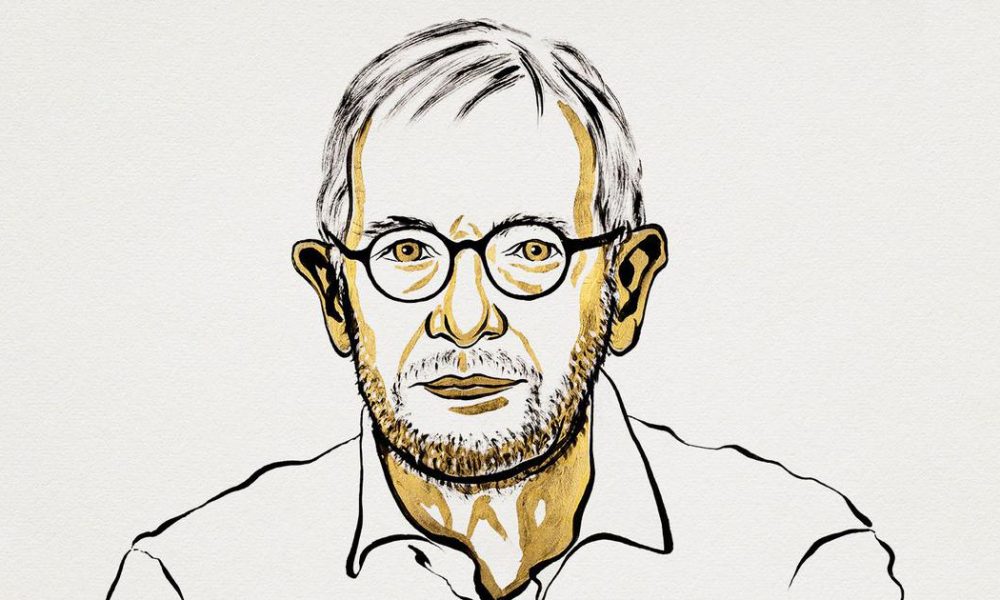
The Royal Swedish Academy of Sciences has awarded the Nobel Prize in Physics to renowned Belgian physicist Francis Halzen for his groundbreaking work in the field of high-energy neutrinos originating from astrophysical events. Halzen, who is 82 years old and serves as a professor at the University of Wisconsin-Madison, has made significant contributions to the IceCube Neutrino Observatory, an ambitious scientific project located in the icy expanse of Antarctica.
The IceCube Neutrino Observatory represents a monumental achievement in modern astrophysics, measuring a cubic kilometer of ice embedded with advanced light sensors. This unique facility enables scientists to detect neutrinos that emerge from extraordinarily energetic cosmic phenomena, offering insights into the far reaches of the universe. The academy highlighted Halzen’s visionary leadership as instrumental in bringing this ambitious project to fruition, which he initially proposed in 1988.
When neutrinos collide with atomic nuclei within the ice, they create flashes of light. These bursts can be detected and analyzed by the observatory’s sophisticated sensors, allowing researchers to study the fundamental processes occurring in the universe. The ability to capture such elusive particles opens new avenues for understanding cosmic events that were previously beyond reach. Halzen’s dedication to this field has not only advanced scientific knowledge but also inspired a new generation of physicists.
This year’s Nobel Prize announcements have drawn considerable attention, especially following the recent award in Medicine, which recognized the collective efforts of Peter Hegemann, Georg Nagel, and Karl Deisseroth for their pioneering research into brain activity. The Nobel Prize in Chemistry is set to be announced on Wednesday, followed by prizes in Literature on Thursday and Peace on Friday, with the Economics prize scheduled for October 12.
For his remarkable achievements, Halzen will receive a monetary award of 12 million Swedish krona, equivalent to approximately Rs 11.5 crore. His recognition not only marks a personal milestone but also reflects the importance of fundamental research in expanding our comprehension of the universe and the forces that govern it. As India continues to invest in scientific research and education, Halzen’s work serves as a potent reminder of the impact that dedicated inquiry can have on humanity’s quest for knowledge.
Source: scroll.in







No Comment! Be the first one.