

Maharashtra Police Allegedly Coerce CJP Volunteers Against Delhi Protest, Claims Abhijeet Dipke
Abhijeet Dipke, the founder of the Cockroach Janta Party (CJP), has raised serious concerns regarding the actions of the Maharashtra Police, alleging that they are pressuring the party’s...

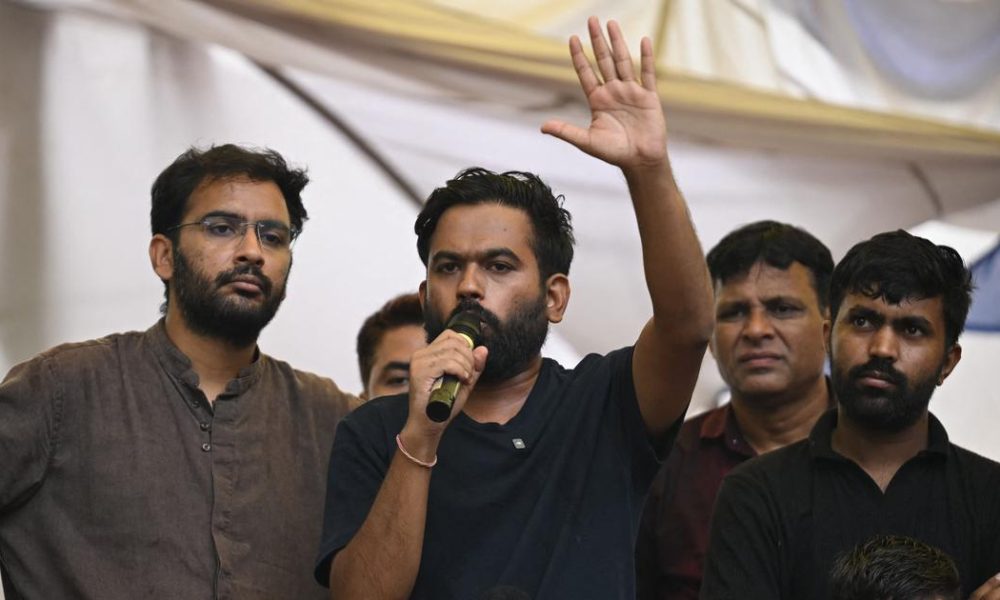
Abhijeet Dipke, the founder of the Cockroach Janta Party (CJP), has raised serious concerns regarding the actions of the Maharashtra Police, alleging that they are pressuring the party’s volunteers not to participate in an upcoming protest scheduled for October 10 in Delhi. The protest is aimed at addressing grievances against Chief Election Commissioner Gyanesh Kumar.
In a social media statement on Tuesday, Dipke shared a photo of a notice purportedly issued by the Chandrapur Police, which was sent to one of CJP’s supporters. The document warned the individual against attending the protest, indicating that the police had information about his plans to travel to Delhi to support the CJP’s campaign. The notice posed several questions to the volunteer, including the sources of funding for his trip, his motivations for joining the protest, and urged him to refrain from participating in any form of agitation without prior permission.
Furthermore, the letter outlined several restrictions, explicitly advising the volunteer against associating with ‘violent protesters,’ sharing inflammatory content on social media, or delivering provocative speeches. It underscored that legal consequences could follow if his actions were perceived to lead to a cognizable offence. The police also cited Section 37(1)(3) of the Maharashtra Police Act, which grants them the authority to restrict public gatherings in the interest of maintaining public order, indicating that such prohibitions are currently in effect in Chandrapur.
The move to dissuade volunteers from attending the protest has raised questions about the democratic rights of citizens to assemble and voice their concerns. Dipke’s allegations suggest a broader pattern of intimidation aimed at stifling dissent and limiting the scope of political expression in Maharashtra. By highlighting the issue on social media, he has not only drawn attention to the police’s actions but also sparked a debate about the limits of lawful protest in India.
As the protest date approaches, the response from both the CJP and the Maharashtra Police will be closely scrutinized, as this situation unfolds against the backdrop of ongoing discussions about the role of law enforcement in political protests and the protection of civil liberties in India.
Source: scroll.in






No Comment! Be the first one.