

S Jaishankar Issues Stark Warning of Imminent Food Crisis Due to Global Conflicts
In a stark warning regarding the global food landscape, External Affairs Minister S. Jaishankar has highlighted the potential for a significant food crisis in India over the upcoming months. This...

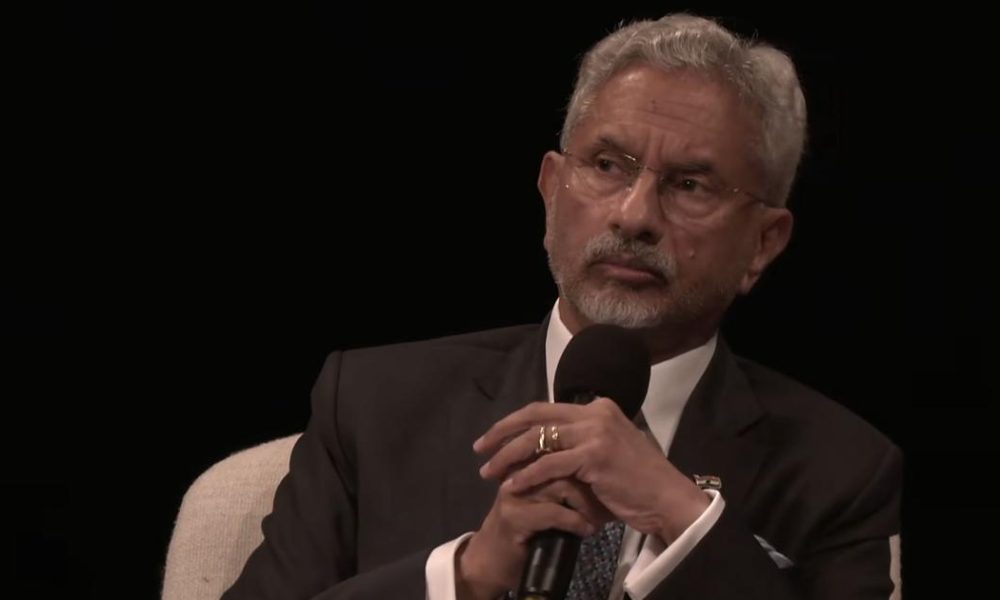
In a stark warning regarding the global food landscape, External Affairs Minister S. Jaishankar has highlighted the potential for a significant food crisis in India over the upcoming months. This alarming prediction stems from a combination of factors, including fertilizer shortages and disruptions to grain shipments, which have been exacerbated by ongoing conflicts in Ukraine and West Asia.
Addressing an audience at an event organized by the Asia Society in New York, Jaishankar pointed to the ‘super El Niño’ phenomenon, which is characterized by the unusual warming of ocean surface temperatures in the eastern and central Pacific. This climatic event, which occurs periodically, has historically been associated with adverse agricultural impacts such as crop failures, wildfires, and severe flooding. Such conditions could further threaten food security, especially in a country like India that relies heavily on stable agricultural production.
In light of these global challenges, the Indian government has adjusted its food grain production target. The revised estimate anticipates a production of 373.9 million tonnes for the 2026-2027 crop year, which is notably 2.6 million tonnes lower than the previous year’s projection. Union Agriculture Minister Shivraj Singh Chouhan confirmed that this revision was made in response to the implications of El Niño, underscoring the need for proactive measures to safeguard the agricultural sector.
The consequences of the ongoing conflicts in West Asia are particularly impactful for India’s fertilizer industry, which is reliant on imports of liquefied natural gas from the region. The supply disruptions have posed challenges for the domestic production of fertilizers, which are critical for maintaining agricultural yields. Furthermore, India imports essential fertilizers such as urea and diammonium phosphate from countries like Oman, Saudi Arabia, and the United Arab Emirates. With crucial maritime routes like the Strait of Hormuz facing constraints, the situation has become even more precarious.
As India navigates these complex challenges, the government is under pressure to implement effective strategies to mitigate potential food shortages. The implications of a food crisis could resonate deeply across the nation, affecting livelihoods, food prices, and overall economic stability. Stakeholders across the agricultural sector are urged to prepare for the forthcoming challenges while the government evaluates measures to bolster both production and import capabilities in the face of these global shifts.
Source: scroll.in







No Comment! Be the first one.