

Celebrating Translation Day: 30 Noteworthy Translations of Indian Fiction into English
As the world celebrates Translation Day, a unique opportunity arises to bridge cultural divides through literature. Indian languages, rich in their narratives and storytelling traditions, have given...

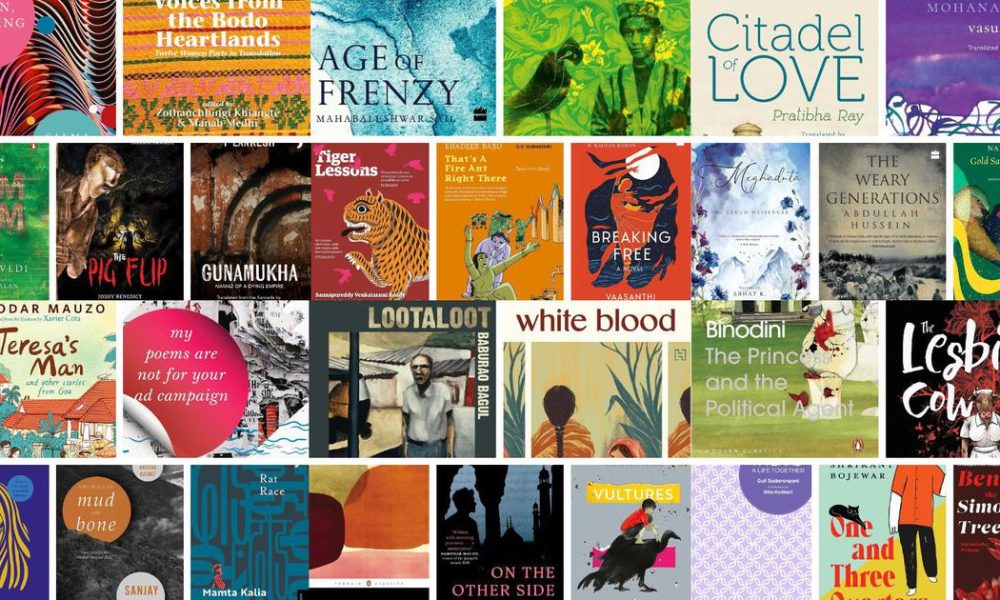
As the world celebrates Translation Day, a unique opportunity arises to bridge cultural divides through literature. Indian languages, rich in their narratives and storytelling traditions, have given rise to numerous translations that present a fresh perspective on contemporary issues, especially those affecting women in society.
One notable work is Anuradha Sarma Pujari’s “My Poems Are Not For Your Ad Campaign,” translated from Assamese by Aruni Kashyap. This thought-provoking novel explores the life of Bhashwati, a young woman navigating the complexities of modern India, marked by rapid economic changes and a pervasive culture of consumerism. Working in an advertising agency, Bhashwati grapples with her identity and disillusionment as she uncovers the legacy of Mohua Roy, a mysterious former employee. The narrative takes readers through the bustling streets of Calcutta, where Bhashwati’s quest for Mohua intertwines with her exploration of societal values that seem to be fading in an ever-developing landscape.
Another significant translation is Sarmistha Pritam’s “Beneath the Simolu Tree,” brought to English by Ranjita Biswas. Set against the backdrop of a rural Assamese village, this novel introduces us to Paridhi, a girl who witnesses the harsh realities of domestic violence. Through her silent rebellion and introspection, the story highlights the struggles of women in conservative societies, offering a poignant commentary on gender-based violence and societal norms. Paridhi’s journey reflects the internal conflicts faced by many women in India, making it relatable for a diverse readership.
Translations like these not only make Indian literature accessible to a global audience but also spark discussions about critical social issues. They shed light on the nuances of Indian culture and the myriad challenges women face, ranging from societal expectations to personal aspirations. As literature continues to evolve and adapt, the translations serve as a reminder of the power of storytelling in advocating for change and understanding.
These translated works underscore the importance of cultural exchange and the role of language in shaping perceptions. As readers engage with these narratives, they gain insight into the complexities of modern Indian life, prompting them to reflect on their own experiences and challenges. In celebrating Translation Day, we acknowledge the efforts of translators who play a crucial role in keeping the spirit of storytelling alive across languages and cultures.
Source: scroll.in







No Comment! Be the first one.