

India’s Inflation Rates Climb: Retail Hits 4.8% and Wholesale Reaches 9.9% in August
India’s retail inflation experienced an uptick in August, reaching 4.8%, up from 4.4% the previous month, as per the data released by the government on Monday. This rise is indicative of...

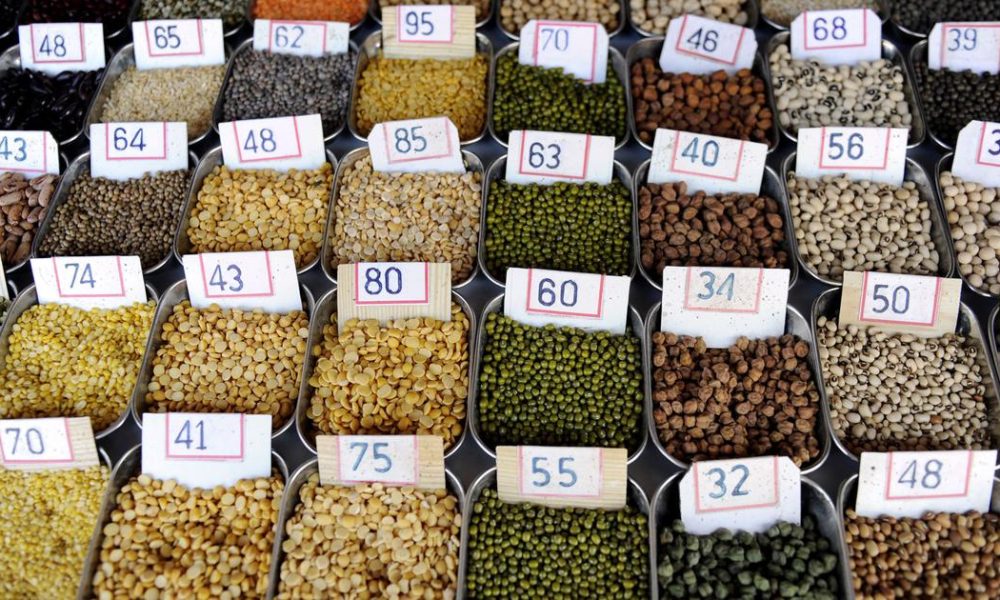
India’s retail inflation experienced an uptick in August, reaching 4.8%, up from 4.4% the previous month, as per the data released by the government on Monday. This rise is indicative of ongoing pressures on consumer prices, with the National Statistics Office highlighting food costs as a significant contributor to this increase.
The rise in retail inflation can be attributed primarily to soaring food prices, which saw an increase to 5.9% in August, compared to 5.5% in July. Consumers have felt the impact of price hikes on essential staples such as ginger, onions, and garlic, which have all seen considerable increases in their market prices. Furthermore, food-serving services have also seen inflation rates escalate to 8.4%, up from 7.7% last month, putting additional strain on household budgets.
In addition to retail inflation, wholesale price inflation has also risen, hitting 9.9% in August compared to 9.7% in July. The wholesale price index (WPI) is crucial as it measures the average changes in prices of goods sold in bulk before they reach consumers. The base year for the WPI calculations is set at 2022-‘23, and the current inflationary trends reflect broader economic challenges faced by the country.
The recent spike in wholesale inflation is attributed to several factors, including geopolitical tensions in West Asia, particularly the ongoing conflict that has affected the flow of crude oil through the vital Strait of Hormuz. Given that India imports around 88% of its crude oil and nearly half of its natural gas through this route, disruptions in supply have a cascading effect on the economy, further exacerbating inflationary pressures.
Wholesale food inflation has followed suit, rising to 7% in August from 6.6% in July. This increase in food prices is a significant concern for policymakers, as it not only affects the cost of living for the average consumer but can also lead to increased operational costs for businesses in the food sector. As the government navigates these inflationary trends, close monitoring of market conditions and potential remedial measures will be essential in stabilizing the economy.
Source: scroll.in






No Comment! Be the first one.