

Exploring the Disconnect: Can Deeply Personal Narratives Alienate Readers?
This summer, while visiting a friend’s home, I found myself engrossed in a half-finished copy of Eula Biss’ book, Having and Being Had. Nestled on the sofa, I read about a hundred pages,...

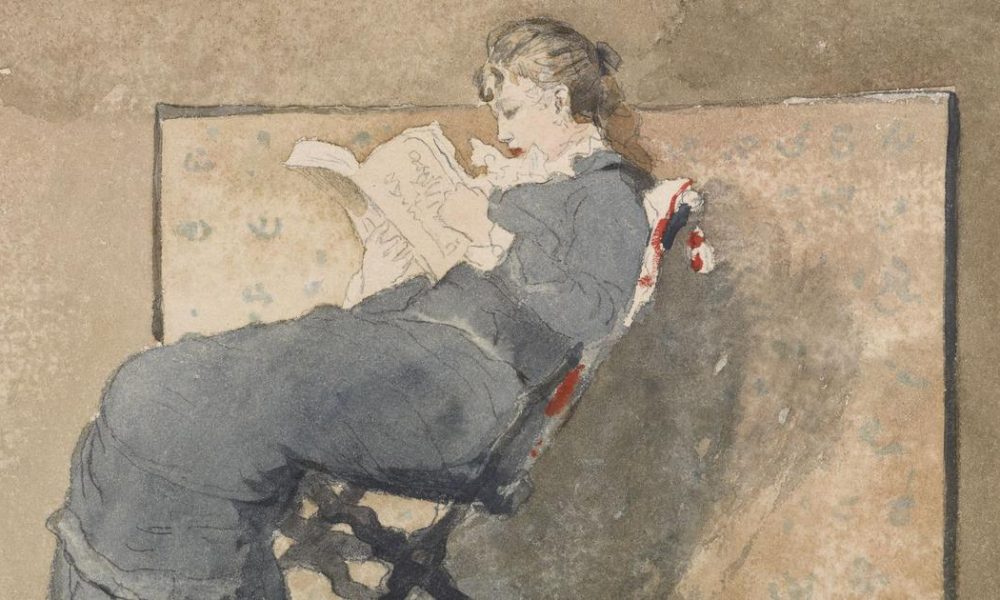
This summer, while visiting a friend’s home, I found myself engrossed in a half-finished copy of Eula Biss’ book, Having and Being Had. Nestled on the sofa, I read about a hundred pages, captivated yet perplexed. Biss, an essayist and educator residing in a grand house in Chicago, delves into her intricate relationship with home ownership and the materialistic dynamics that arise from it. Despite my inability to connect with her privileged lifestyle, I found the writing compelling.
Following Biss, I quickly moved on to Rachel Cusk’s Outline and Annie Ernaux’s Exteriors. Although these works vary in style and genre, the common thread linking them is their distinct authorial voices and personal perspectives. Each author invites the reader into their unique world, yet the experience feels akin to an acquaintance sharing a story—briefly engaging, yet ultimately leaving one feeling like an outsider. This notion raises an intriguing question: can the intense focus on personal experiences in literature create a barrier that alienates readers?
Solipsism, the philosophical idea that only one’s mind is sure to exist, emerges as a recurring theme in these narratives. The authors portray their internal landscapes so vividly that the reader is left as a mere observer in someone else’s reality. While this interiority serves an essential function in crafting their stories, it simultaneously fosters a sense of detachment. The reader may glimpse the thoughts and feelings of the narrator, but the depth of that engagement can feel superficial.
In literature, especially contemporary works, the trend toward highly subjective storytelling has been gaining momentum. Authors often prioritize their personal experiences and introspection, sometimes at the expense of broader relational or cultural contexts. For Indian readers, who cherish storytelling that often intertwines with community, tradition, and collective experiences, this style can be jarring. Works that lean heavily on solipsistic narratives may leave readers yearning for a deeper connection to the text and its themes.
Ultimately, while the exploration of personal thoughts and feelings can be powerful, it is crucial for writers to strike a balance between interiority and relatability. Engaging narratives should allow readers to find pieces of themselves in the story, fostering a sense of shared experience. Whether through culturally resonant themes, character relationships, or communal contexts, literature should strive to bridge the gap between the author’s world and the reader’s, creating a more inclusive and resonant experience.
Source: scroll.in







No Comment! Be the first one.