

Why Creativity in Children’s Literature Will Outshine AI Innovations
As the debate surrounding artificial intelligence (AI) continues to escalate, particularly in creative fields, children’s literature creators are stepping forward to assert their unique value....

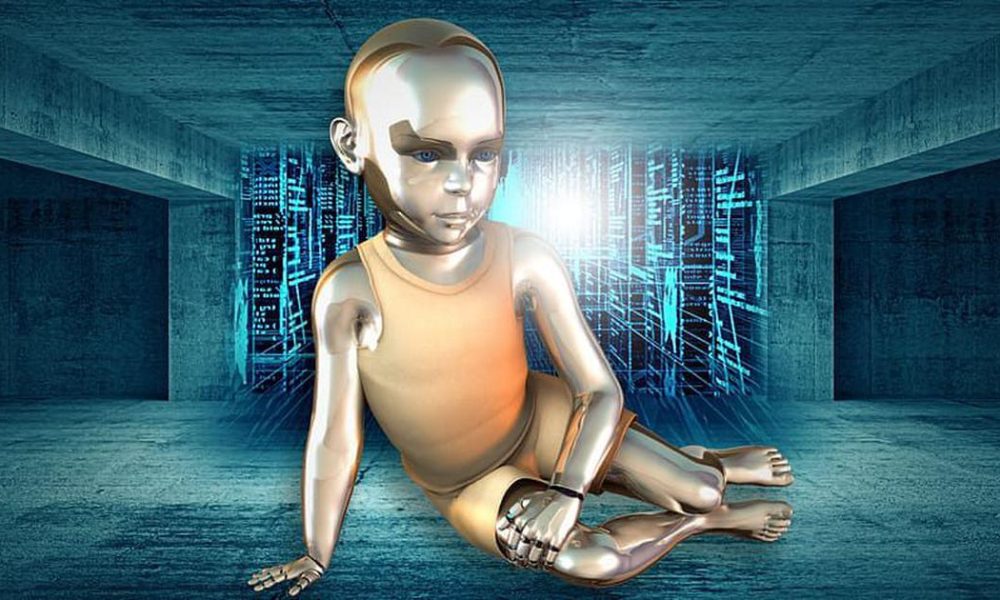
As the debate surrounding artificial intelligence (AI) continues to escalate, particularly in creative fields, children’s literature creators are stepping forward to assert their unique value. The recent discourse reflects a belief that while AI can process data and generate content, the essence of storytelling, especially for children, lies in human creativity and emotional authenticity.
Reflecting on the past, the notion of AI was once a distant concept, yet its presence is now inescapable. The early encounters with technology often evoke nostalgia, such as the memory of a school assignment marked with enthusiastic yet critical comments from a teacher. Such experiences highlight the importance of human touch in writing—something AI struggles to replicate. The critique of overuse of exclamation marks or the inability to decipher certain creative expressions reminds us that creativity is not merely about following patterns but about connecting with readers on a deeper level.
Fast forward to today, and the landscape has drastically changed. The introduction of advanced AI models, like Claude and Gemini, has stirred apprehension among writers and creators. These tools boast impressive capabilities in generating content, yet they lack the emotional nuances that define effective storytelling. Children’s literature, in particular, thrives on imaginative narratives that resonate with young minds, something AI is ill-equipped to deliver adequately.
Indian authors and illustrators are now recognizing the importance of harnessing their unique perspectives to create rich, engaging stories that challenge the sterile narratives generated by AI. With their understanding of cultural nuances and the emotional depth needed to captivate young audiences, these creators are in a prime position to excel in an industry increasingly influenced by technology. They are not merely writers; they are storytellers who breathe life into characters and worlds, making them relatable and memorable.
The ongoing conversation about AI fails to consider the fundamental role of human experience in the creative process. While AI might be able to churn out text, it cannot imbue stories with personal touches, humor, and the joy of discovery that children seek. As such, we may find that the true triumph in the realm of children’s literature will belong to those who dare to think beyond the confines of technology, allowing imagination and emotion to reign supreme in their narratives.
Source: scroll.in







No Comment! Be the first one.