

Centre Revisits UGC Regulations Amid Controversy Over Caste Discrimination in Higher Education
The Indian government is currently reassessing the University Grants Commission (UGC) regulations aimed at combating caste-based discrimination within colleges and universities, as revealed in a...

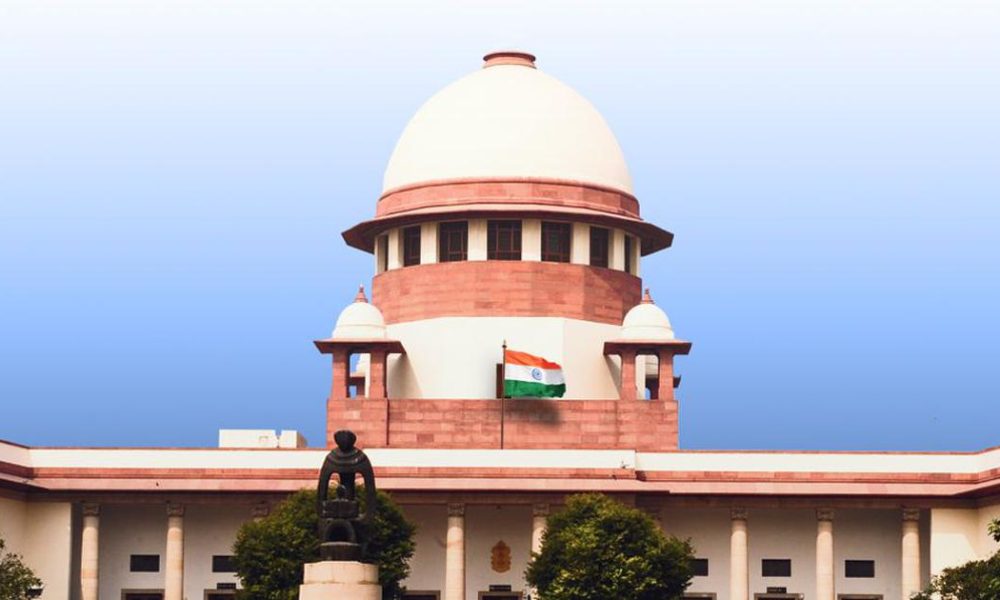
The Indian government is currently reassessing the University Grants Commission (UGC) regulations aimed at combating caste-based discrimination within colleges and universities, as revealed in a recent Supreme Court hearing. This development follows a stay on the UGC’s 2026 Promotion of Equity in Higher Education Institutions Regulations, which had raised considerable concerns regarding their potential for misuse and vagueness.
On January 29, the Supreme Court put a halt to the implementation of these regulations after hearing objections from various student groups, particularly those from upper-caste backgrounds. Critics of the regulations argued that they could lead to unfair treatment of general category students, especially in the absence of safeguards against false allegations. The court had noted that the regulations appeared to lack clarity and could potentially foster discrimination rather than alleviate it.
During the latest proceedings, Solicitor General Tushar Mehta informed the bench, led by Chief Justice Surya Kant, that the government is actively revising the contentious regulations. He requested the court to postpone its ruling on the ongoing case until the review process has been completed, indicating that the government is taking the concerns raised seriously and is committed to finding a viable solution.
Advocate Indira Jaising, representing the petitioners who are challenging the UGC’s rules, emphasized the need for the court to establish a timeline for the government’s review. Despite her appeal, the bench clarified that it was not in a position to entertain arguments on the matter at this time, reflecting the ongoing complexity of the case.
The UGC’s regulations were introduced with the intention of promoting equity and inclusion in higher education, recognizing the historical injustices faced by marginalized communities in India. However, the backlash from segments of the student population suggests that the implementation of such policies must be carefully considered to avoid unintended consequences. As the government undertakes its review, the outcome may have significant implications for how academic institutions address issues of caste and discrimination in the future.
Source: scroll.in






No Comment! Be the first one.