

Bombay High Court Grants Bail to Dabholkar Murder Convict; Supreme Court to Investigate Police Conduct in Protests
In a significant legal development, the Bombay High Court has granted bail to Sachin Andure, convicted of murdering renowned anti-superstition activist Narendra Dabholkar. The court’s decision...

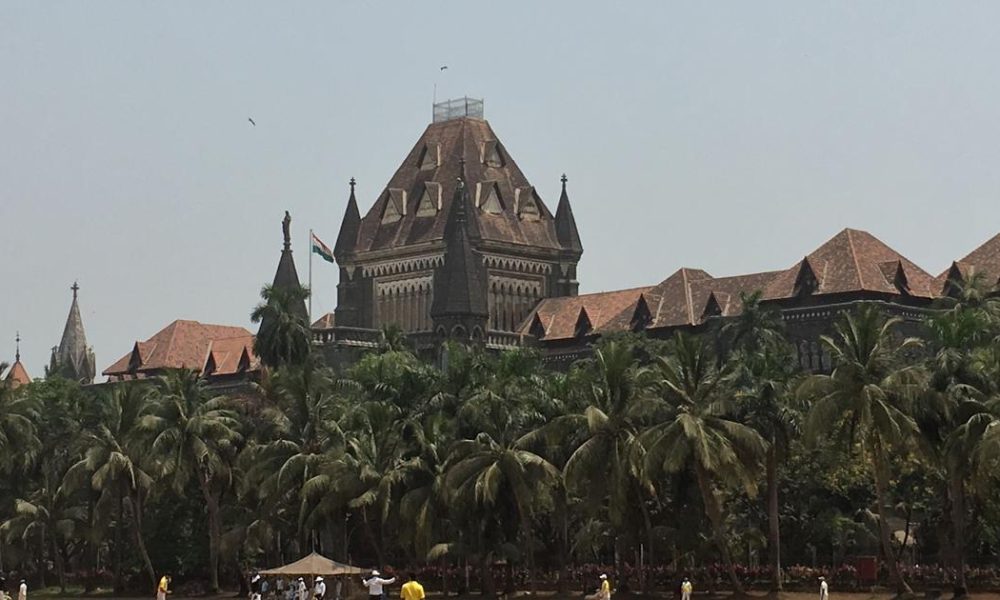
In a significant legal development, the Bombay High Court has granted bail to Sachin Andure, convicted of murdering renowned anti-superstition activist Narendra Dabholkar. The court’s decision to suspend Andure’s life sentence comes after a lengthy legal battle, with the conviction rooted in the tragic events of August 2013 when Dabholkar was shot dead. The court’s ruling highlights ongoing concerns regarding justice and societal messages, as Dabholkar’s family has vociferously opposed the bail application, fearing it could undermine the fight against superstition and injustice.
Andure’s appeal for bail was based on the argument that his case is still pending, and he deserves the opportunity to contest his conviction while out of prison. This ruling follows a similar decision made by the High Court three months ago, which granted bail to another convict in the same case, Sharad Kalaskar. The implications of such legal decisions resonate deeply within societal contexts, especially among activists and those engaged in the ongoing battle against superstition in India.
In another significant development, the Supreme Court of India has announced the formation of a committee to investigate the alleged excessive use of force by police during recent student protests. These protests erupted last month and saw confrontations between students and security forces, raising serious questions about the methods employed by law enforcement. The proposed committee will consist of a former Supreme Court judge, a former chief justice from a High Court, and a retired senior police officer, all tasked with scrutinizing the events that transpired during these protests.
The court is expected to issue further orders regarding this matter on Wednesday and has hinted at the possibility of utilizing its extraordinary powers to dismiss first information reports (FIRs) against students who participated in the protests but do not have any prior criminal records. This move aims to mitigate the repercussions faced by innocent students caught in the turmoil surrounding the protests.
In international news, the Supreme Court of Pakistan has ordered that imprisoned former Prime Minister Imran Khan be transferred to a hospital for medical treatment. This development follows growing concerns about Khan’s health during his time in custody, as his political party continues to advocate for his release, citing the unjust nature of his imprisonment. This situation has further stirred political tensions within Pakistan, as Khan’s supporters rally for his rights and a fair trial.
Source: scroll.in



No Comment! Be the first one.