

Supreme Court Upholds Election Commission’s 2002 Base Year for Sikkim’s Voter Roll Revision
The Supreme Court of India has ruled against a public interest litigation that sought to challenge the Election Commission’s (EC) decision to designate the year 2002 as the base year for the...

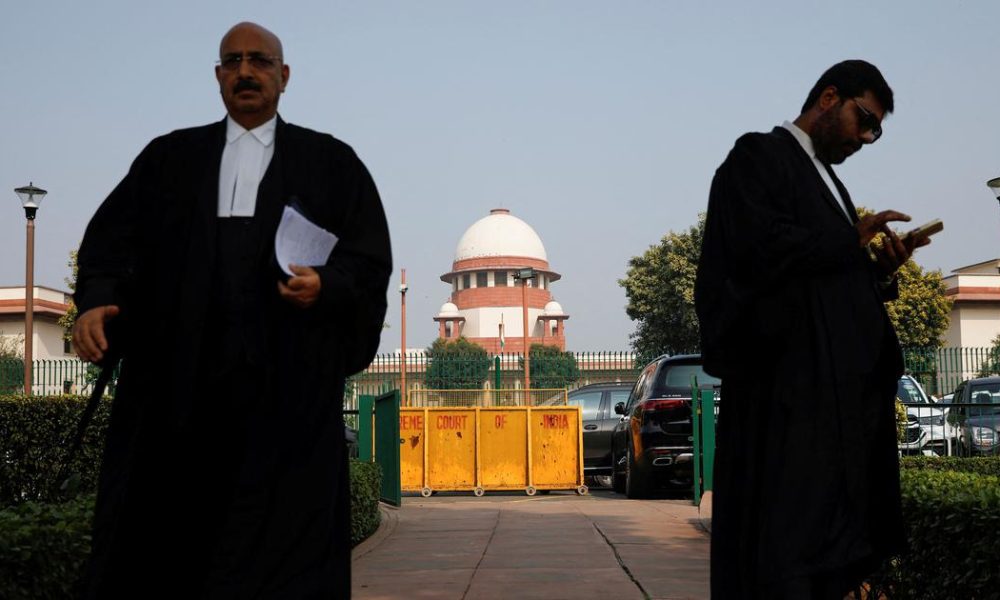
The Supreme Court of India has ruled against a public interest litigation that sought to challenge the Election Commission’s (EC) decision to designate the year 2002 as the base year for the special intensive revision of electoral rolls in Sikkim. The judgment was delivered by a bench comprising Chief Justice Surya Kant and Justices Joymalya Bagchi and V Mohana on Monday. This ruling comes as part of a larger effort to update electoral rolls across various states in the country.
The petition was filed by a non-governmental organization based in Sikkim, which argued that the EC should consider 1993 as the appropriate base year instead of 2002. The ongoing revision is part of the third phase of the Special Intensive Revision (SIR) initiative, which aims to ensure accurate and up-to-date voter lists. Sikkim is among 16 states currently undergoing this revision process, with the draft electoral roll released on July 5 and the final list scheduled for publication on September 6.
In its decision, the Supreme Court emphasized that altering the base year partway through the revision process would be inappropriate. The court noted that 2002 has been consistently used as the base year for electoral rolls throughout the country, and it declined to interfere with the EC’s established practice. The ruling reflects a commitment to maintaining consistency in the electoral process, despite the unique demographic characteristics of Sikkim.
The petitioner’s counsel argued that Sikkim’s distinct demographic profile warranted a different approach, suggesting that the population data in the state does not align with the electoral data from the 2002 rolls. However, the bench pointed out that individuals who were included in the 2002 electoral rolls had participated in subsequent elections, indicating that the voter list had been functional and effective. This suggests that the current electoral rolls, based on the 2002 base year, have been validated by active voter participation.
The decision from the Supreme Court is significant not just for Sikkim but also sets a precedent for how the EC may handle similar cases in the future. It underscores the importance of adhering to established norms in the electoral process, ensuring that the integrity of the voter rolls is upheld while also considering the unique attributes of different states.
Source: scroll.in






No Comment! Be the first one.