

Unveiling the Nam Ka Chu Battle: A Critical Episode of the 1962 Sino-Indian War
In the years preceding the 1962 Sino-Indian War, the majestic yet formidable Himalayas became the backdrop for a significant confrontation between India and China. These towering peaks, often seen as...

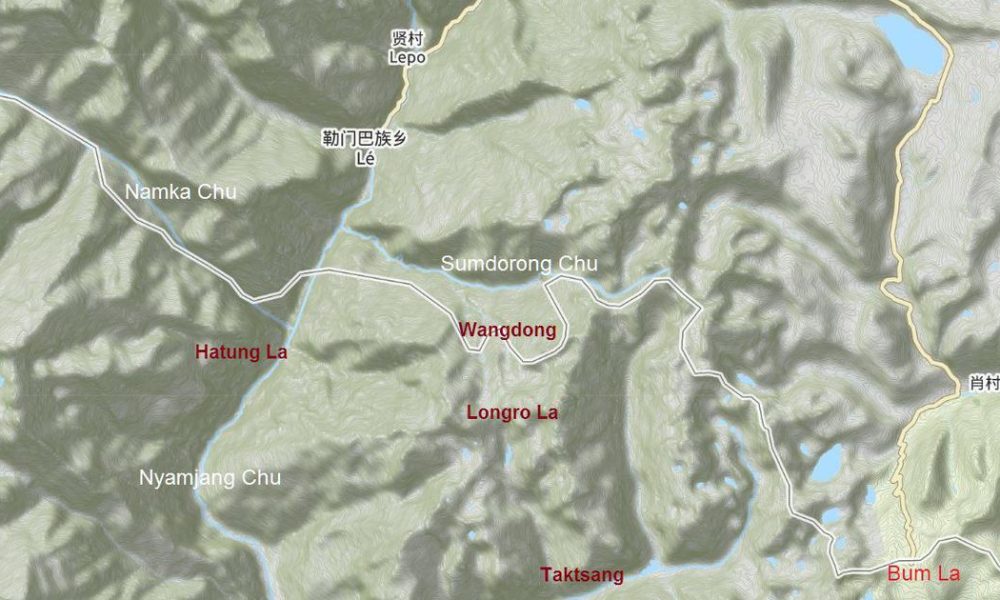
In the years preceding the 1962 Sino-Indian War, the majestic yet formidable Himalayas became the backdrop for a significant confrontation between India and China. These towering peaks, often seen as silent guardians, witnessed a clash not just of arms but of ideologies and ambitions. India’s nascent state, basking in the optimism of newfound independence, held fast to the principles of moral diplomacy, while a resolute China, shaped by revolution, was charting a calculated course fueled by strategic foresight.
During this period, India’s approach was characterized by the promotion of Panchsheel, the Five Principles of Peaceful Coexistence, which embodied its aspiration for harmonious international relations. In stark contrast, the Chinese government was proactive in fortifying its hold over Tibet, treating the region as a crucial asset in its broader geopolitical strategy. Following the consolidation of power in Tibet by 1951, Chinese authorities began a systematic effort to transform the Tibetan plateau into a bastion of administrative and military strength. The suppression of Khampa uprisings illustrated their resolve, as they sought to quell dissent and tighten control over the territory.
Infrastructure developments soon followed, with roads being constructed across the rugged terrain of Tibet. These roads, ascending higher each year, were not merely conduits for transportation; they symbolized China’s creeping influence into the Himalayan region. While India remained engrossed in diplomatic discussions, it largely overlooked the significant advancements being made by its neighbor. By the mid-1950s, Chinese strategists were already envisioning Tibet as a pivotal element of their long-term plans, a stark reminder that the landscape of power was shifting beneath India’s feet.
The book in discussion meticulously reconstructs the events surrounding the Nam Ka Chu battle, shedding light on the complexities that defined this turbulent period. As the conflict unfolded, it brought to the forefront the glaring disparities between India’s philosophical approach and China’s pragmatic militarism. The implications of these differences would resonate throughout the subsequent years, shaping not just the course of the war but also the trajectory of India-China relations.
In analyzing the battle at Nam Ka Chu, readers are invited to explore the intertwining narratives of courage, strategy, and the harsh realities of warfare. This retelling serves as a poignant reminder of the lessons learned and the importance of vigilance in the face of emerging threats, offering insights that continue to be relevant in contemporary discourse on national security and foreign policy.
Source: scroll.in







No Comment! Be the first one.