

Exploring Freedom Through Anonymity: Tabish Khair’s ‘Drown All the Refugees’
In his latest novel, ‘Drown All the Refugees’, acclaimed author Tabish Khair challenges conventional narratives of freedom and identity. The story opens with a shocking proclamation...

In his latest novel, ‘Drown All the Refugees’, acclaimed author Tabish Khair challenges conventional narratives of freedom and identity. The story opens with a shocking proclamation delivered by the narrator at a literary gathering, which leaves the audience, particularly the liberal attendees, in stunned silence. This bold declaration—’the right to move freely is secondary to the right to stay free’—serves as a provocative entry point into the complex themes the book explores.
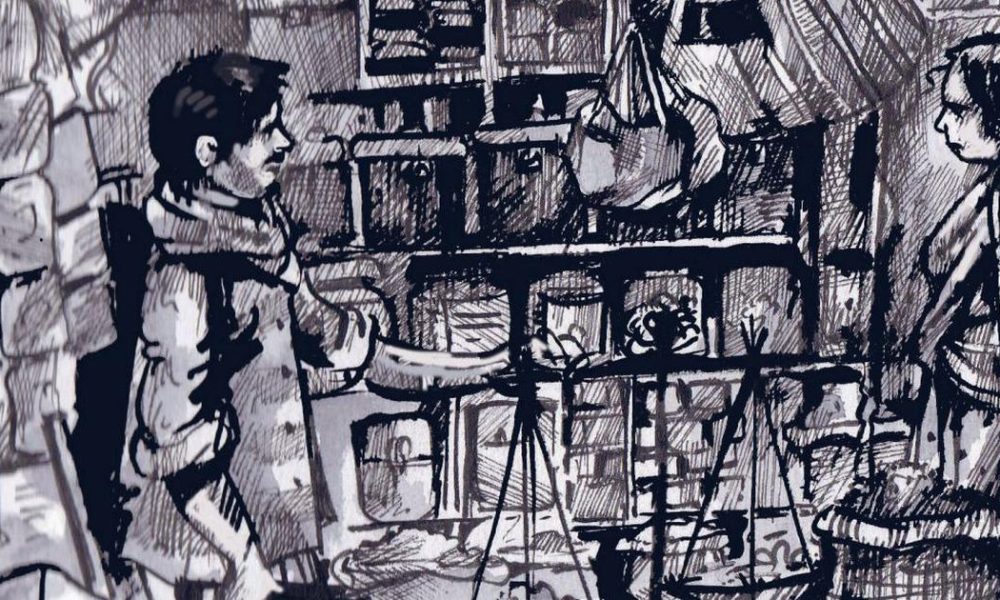
Khair’s narrative is intentionally nebulous, resisting the urge to anchor itself in specific settings or character identities. This anonymity, as the author suggests, is a vital form of liberation in a world often dominated by superficial performances of self. The metafictional elements within the novel complicate the relationship between reality and fiction, prompting readers to engage deeply with the text as they decipher its layered meanings and visual cues.
The narrator’s journey reflects Khair’s own experiences of disillusionment with the American dream, ultimately leading him back to his roots. He embraces his native language, a rich tapestry woven from Bengali and Hindi, as he confronts the realities of his homeland. This return to one’s cultural and geographical origins is portrayed as a rediscovery of self, yet it is also marked by the painful realization of how little he knows about the land and its people.
In ‘Drown All the Refugees’, Khair not only seeks to articulate his understanding of freedom but also critiques the often-romanticized notion of migration. The novel prompts readers to reflect on the complexities surrounding displacement and the inherent rights associated with belonging. The work is a call to reconsider the value of one’s place in the world—a place that is deeply tied to history and culture.
The narrative intertwines personal and collective histories, urging a dialogue about the responsibilities that come with freedom and movement. By drawing attention to the hidden stories of refugees and the challenges they face, Khair sheds light on the broader socio-political landscape, making the text not just a personal journey but also a commentary on contemporary issues affecting many in India and beyond.
Source: scroll.in







No Comment! Be the first one.