

Exploring Identity and Belonging in Antara Mukherjee’s Debut Novel ‘Beyond Our Births’
In the realm of contemporary literature, Antara Mukherjee’s debut novel, Beyond Our Births, offers a profound exploration of identity through the eyes of a young girl, Nimki. The narrative unfolds as...

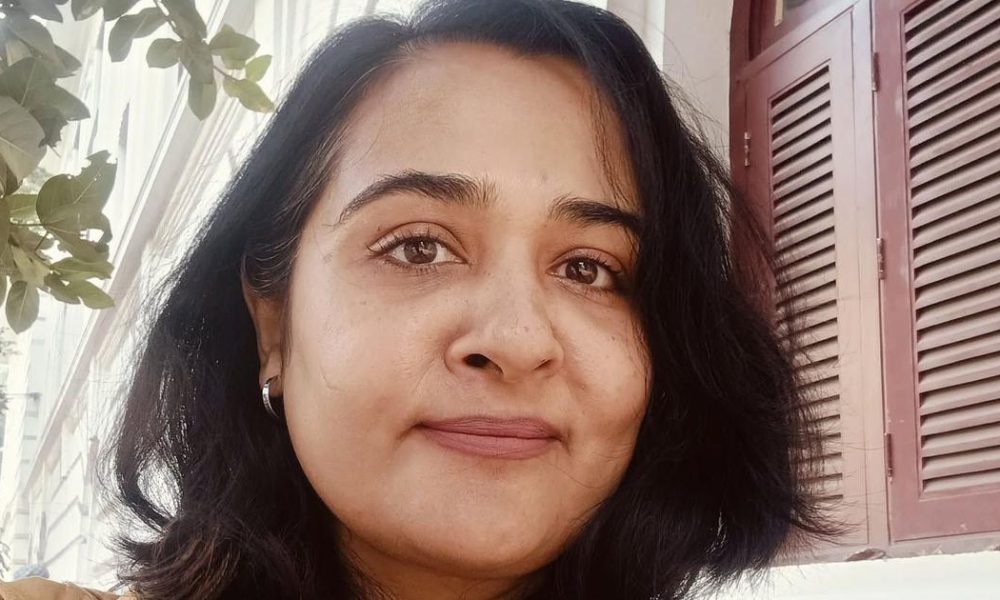
In the realm of contemporary literature, Antara Mukherjee’s debut novel, Beyond Our Births, offers a profound exploration of identity through the eyes of a young girl, Nimki. The narrative unfolds as a poignant tale of abandonment, adoption, and the search for belonging, set against the backdrop of socio-cultural complexities within India and Bangladesh. Mukherjee constructs a rich tapestry of experiences, delving deeply into the nuances of caste, religion, nationality, and gender.
Nimki’s journey begins with her abandonment by her Bangladeshi Muslim parents. She is subsequently adopted by a Hindu family in West Bengal. However, the stability of her new life is short-lived as the family’s fortunes wane, leading them back to Bangladesh. This cyclical journey highlights the often arbitrary nature of identity markers that society imposes, inviting readers to ponder their relevance and authenticity in an increasingly interconnected world.
At the heart of Beyond Our Births lies not just the quest for identity, but a profound meditation on love. Mukherjee portrays an intricate relationship between Nimki and Bagha, the family dog, illuminating an emotional connection that transcends traditional boundaries. Their shared silence fosters an understanding that is often absent in human relationships, showcasing how love can manifest in unexpected forms. The author poignantly captures the essence of their bond: “Their lack of language made them understand each other.” This sentiment resonates deeply, as it reflects the universal longing for companionship and understanding.
As Nimki navigates her tumultuous circumstances from the tender age of five to her adolescence at fifteen, her experiences serve as a microcosm of larger societal issues. The novel deftly explores the intersectionality of various identity markers, shedding light on how they collectively shape an individual’s existence. Mukherjee does not shy away from depicting the emotional turmoil Nimki faces, emphasizing her hunger for love and acceptance within a household that, while providing shelter, cannot fulfill her need for belonging.
In a world where identities are often rigidly defined and classified, Beyond Our Births challenges readers to reflect on the fluid nature of identity. Antara Mukherjee’s narrative encourages a discourse on how love, in all its forms, can bridge divides, heal wounds, and ultimately, redefine what it means to belong. As her characters grapple with their realities, readers are left with a profound understanding of the complexities surrounding identity and the essence of human connection.
Source: scroll.in







No Comment! Be the first one.