

Are Protests Signaling a Shift in Political Dynamics Ahead of 2029 Elections?
In recent weeks, Delhi has once again become a hotbed of protests, reminiscent of the waves of demonstrations that shook the capital in 2011, ultimately resulting in the fall of the Manmohan Singh...

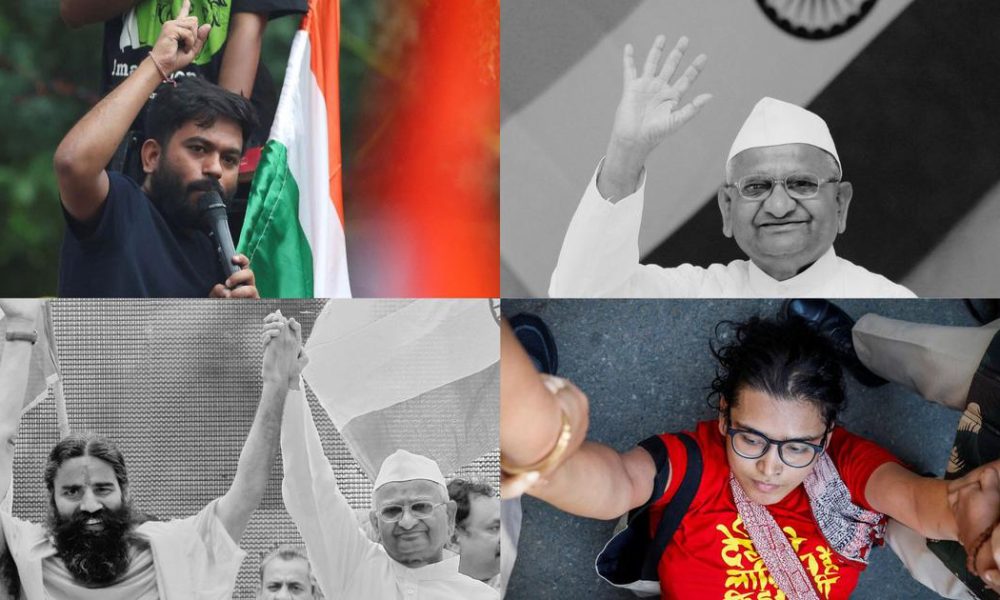
In recent weeks, Delhi has once again become a hotbed of protests, reminiscent of the waves of demonstrations that shook the capital in 2011, ultimately resulting in the fall of the Manmohan Singh government. As we approach 2026, many observers are questioning whether these current protests could similarly signal a shift in political tides leading up to the 2029 elections.
The parallels between the two periods are striking. In 2011, large-scale protests erupted in Jantar Mantar, followed by significant gatherings at Ramlila Maidan in June and August. Fast forward to this year, and the protest movement seems to be regaining momentum, especially following demonstrations led by youth activists at Jantar Mantar in June. Just this week, police took action against opposition leaders trying to access the protest site, suggesting a growing tension between the government and dissenting voices.
The issues at the heart of these demonstrations have also evolved. While the 2011 protests were primarily focused on rampant corruption, the current dissent is driven by allegations of electoral malpractices, including tampering with exam papers and the electoral system itself. Notably, the resignation of the education minister following the protests this summer has emboldened demonstrators, who are now calling for the chief election commissioner to resign due to a controversial revision of electoral rolls that has led to widespread disenfranchisement of voters.
Such movements often reflect a deeper sense of dissatisfaction among the populace. When individuals are willing to brave police violence and detention to voice their grievances, it typically indicates a growing frustration with the status quo. In political jargon, this is often described as a sign of significant disenchantment with the current administration.
As India inches closer to the next general elections in 2029, the current protests could play a crucial role in shaping the political landscape. The ongoing unrest serves as a reminder of the potential for change, highlighting the power of collective action in a democratic society. Whether this wave of protests will catalyze a major shift in governance remains to be seen, but the heightened political engagement among citizens is a development that cannot be overlooked.
Source: scroll.in






No Comment! Be the first one.