

Calcutta HC Questions Chhattisgarh’s Citizenship Determination of Four Muslims Amid Pending Appeals
The Calcutta High Court has raised concerns regarding the authority of a foreign registration officer in Bilaspur, Chhattisgarh, who recently took the controversial step of determining the...

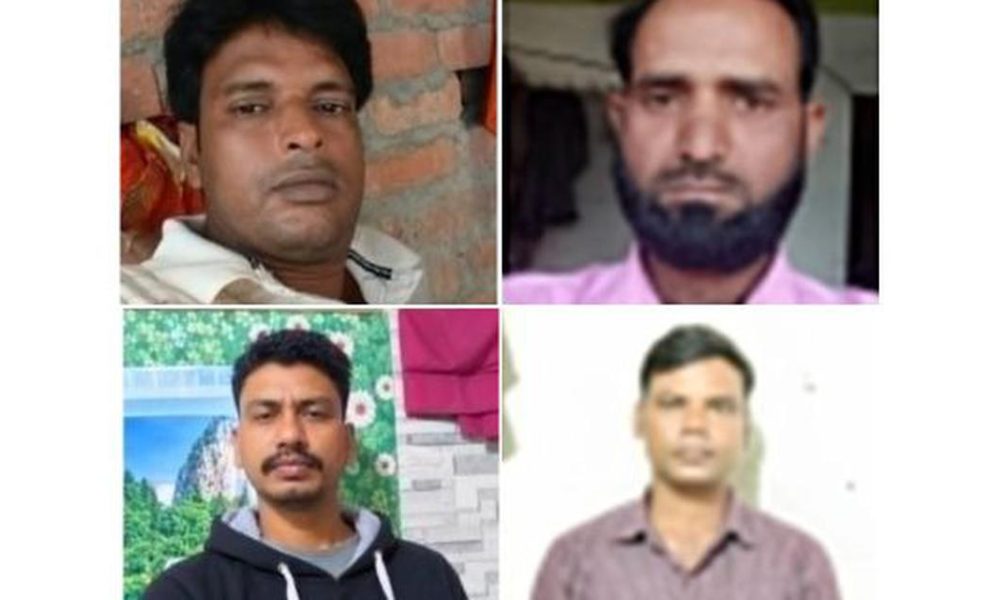
The Calcutta High Court has raised concerns regarding the authority of a foreign registration officer in Bilaspur, Chhattisgarh, who recently took the controversial step of determining the citizenship status of four Muslim men from Murshidabad. This action comes while the men’s appeals against the removal of their names from the electoral roll are still pending before an appellate tribunal in West Bengal.
Justice Krishna Rao, during a hearing on Monday, expressed skepticism about the implications of such a determination. He questioned the efficacy of the appellate authority, highlighting the predicament of the individuals involved. “If your authority is stating that he is not an Indian, then what is the role of the appellate authority in this situation?” Justice Rao remarked, emphasizing the precarious position the men find themselves in.
The four individuals—Nasiruddin Sheikh, Laltu Sheikh, Safikul Islam, and Sabir Sheikh—are currently detained in Bilaspur on suspicions of being undocumented migrants from Bangladesh. They have been held there for over a month, facing considerable uncertainty about their future. Their legal representatives have contended that the deletion of their names from the electoral roll was unwarranted and that they are seeking an expedited hearing of their appeals before the tribunal in West Bengal.
The High Court pointed out the apparent contradiction in the decision made by the authorities in Bilaspur. While the tribunal in West Bengal is yet to adjudicate on the matter of their citizenship, the foreign registration officer has already acted, raising significant questions about jurisdiction and due process. The court’s stance underscores the need for a harmonious approach to citizenship issues, especially in regions where identities and legal rights are intricately tied to complex socio-political landscapes.
This incident is reflective of larger national concerns regarding citizenship rights, legal recognition, and the ongoing debates about immigration and identity in India. The ruling has implications not just for the individuals involved, but also for the broader community in Murshidabad, as it highlights the vulnerabilities faced by many in similar situations.
Source: scroll.in





No Comment! Be the first one.