

Why Opposition Parties Continue to Participate in Elections Despite Allegations of Poll Rigging
On September 25, Abhijeet Dipke, the founder of the Cockroach Janta Party, ignited a conversation regarding the integrity of India’s electoral processes by urging opposition parties to consider...

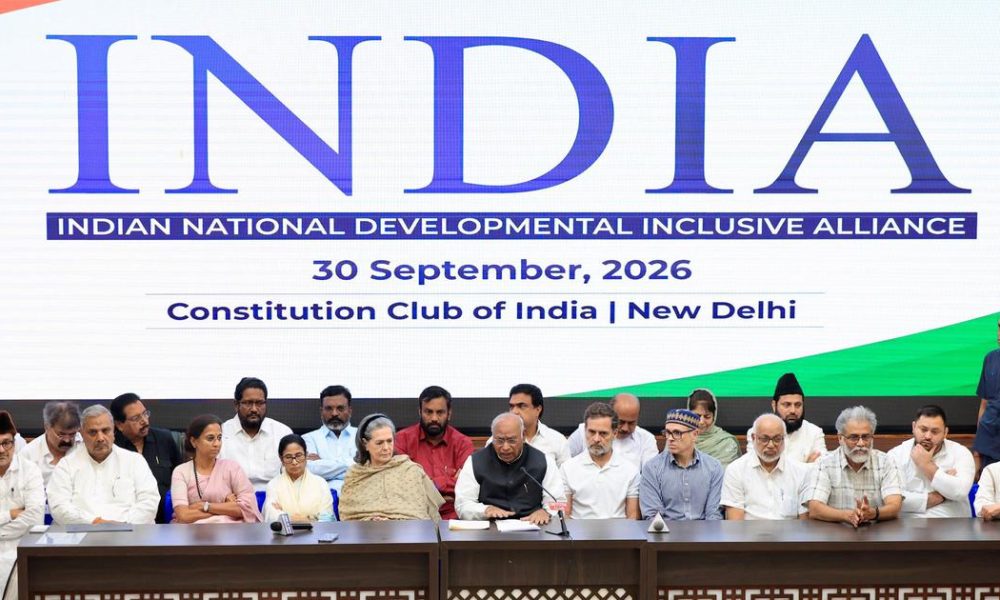
On September 25, Abhijeet Dipke, the founder of the Cockroach Janta Party, ignited a conversation regarding the integrity of India’s electoral processes by urging opposition parties to consider boycotting upcoming elections. His argument hinged on a fundamental question: if these parties believe that the elections are rigged, why do they still engage in the electoral process? Dipke accused them of prioritizing their political survival over genuine electoral reform.
Dipke articulated that by participating in these elections, the opposition inadvertently contributes to the perception that the electoral process is legitimate and fair. He posited that a boycott would serve as a more powerful statement against what he describes as the farce of current electoral practices. This sentiment resonated with a segment of social media users, including former Union minister RK Singh, who previously served under Prime Minister Narendra Modi and has since distanced himself from the Bharatiya Janata Party (BJP).
Despite ongoing complaints about electoral irregularities, no major opposition party has seriously contemplated a boycott of elections. The reluctance can be attributed to various factors, including fear of losing political relevance and the practical implications of withdrawing from a system they seek to reform. Some supporters of the boycott strategy argue that abstaining from elections could catalyze the formation of new political movements, fostering protests and mass mobilization aimed at rectifying the alleged flaws in the electoral system.
However, critics of the boycott theory caution against oversimplifying the complexities of the situation. They assert that mass mobilization against perceived electoral injustices can occur independently of an election boycott. Engaging in the electoral process may provide the opposition with a platform to highlight their concerns and mobilize public sentiment effectively. The question remains whether remaining within the electoral framework will yield tangible reforms or merely sustain the status quo.
With the electoral landscape continuously evolving, the dynamics of public participation in elections will be critical to observe in the coming months. The opposition’s strategic choices will shape not only their political fortunes but also the broader narrative around democratic participation in India.
Source: scroll.in







No Comment! Be the first one.