

Supreme Court Probes Allegations of Excessive Force in Jantar Mantar Protest
The Supreme Court of India has set its sights on the contentious police response during the Cockroach Janata Party protest at Jantar Mantar on July 20, particularly questioning whether the force used...

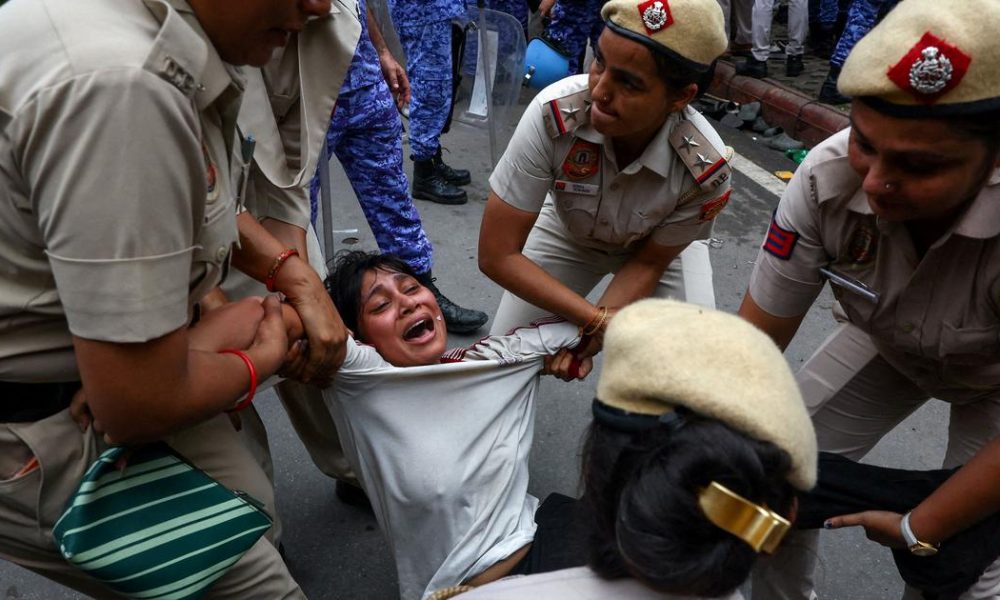
The Supreme Court of India has set its sights on the contentious police response during the Cockroach Janata Party protest at Jantar Mantar on July 20, particularly questioning whether the force used by law enforcement was ‘excessive and violent.’ This inquiry follows alarming accounts from protesters, witnesses, and human rights organizations that depict a scene of brutal repression.
Reports suggest that the police deployed a range of harsh tactics to control the crowd, which included the use of batons, tear gas, and even more unconventional weapons like nail-studded lathis, rubber bullets, electric batons, and pellet guns. A notable testimony from a 24-year-old photojournalist highlights the severity of the situation, stating, ‘I have photos of protesters just standing there and the police beating them.’ Such claims raise serious concerns about the boundaries of lawful policing during public demonstrations.
However, the Supreme Court’s inquiry delves deeper into the core issue of what constitutes a ‘proportionate and measured police response’ to public protests. The court is wrestling with the challenge of balancing the need for maintaining public order while respecting citizens’ constitutional right to peacefully assemble. Article 19(1)(b) of the Indian Constitution enshrines the right to assemble peacefully without arms, directly juxtaposed with Article 19(3), which allows the government to impose reasonable restrictions in the interest of public order and national integrity.
This inherent conflict presents a dilemma not only for law enforcement but also for the judicial system, as it seeks to uphold the constitution while ensuring public safety. The Supreme Court’s inquiry reflects a broader societal debate on the limits of police authority and the protection of civil liberties in the face of dissent. The findings from the high-powered enquiry committee could set critical precedents for how similar situations are handled in the future, potentially reshaping the relationship between the state and its citizens.
As India grapples with these fundamental questions, the outcome of this investigation may have far-reaching implications not just for the protestors involved but also for the broader landscape of civil rights in the country.
Source: scroll.in





No Comment! Be the first one.