

Contrasting Protests in Delhi and Mumbai Call for Resignation of CEC Gyanesh Kumar
On October 2, the nation witnessed a stark divergence in the atmosphere of protests held in Mumbai’s Shivaji Park and Delhi’s Jantar Mantar, both demanding the resignation of Chief Election...

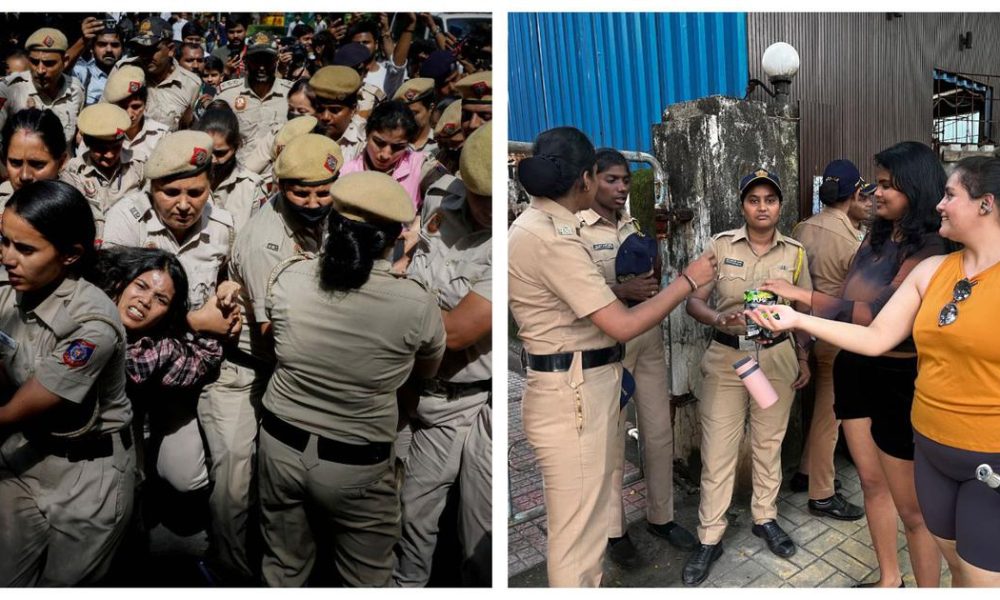
On October 2, the nation witnessed a stark divergence in the atmosphere of protests held in Mumbai’s Shivaji Park and Delhi’s Jantar Mantar, both demanding the resignation of Chief Election Commissioner Gyanesh Kumar. Social media commentator Oamkaar aptly encapsulated the contrasting vibes, stating, “Delhi is a warzone,” while observing that “Mumbai is a concert.” Despite the differing environments, both groups of protestors were unified in their discontent directed towards Kumar, who is held responsible for the chaotic Special Intensive Revision (SIR) of voter rolls that has allegedly led to millions of eligible voters being removed from electoral lists.
The SIR process, which commenced in June 2025, has raised considerable alarm among citizens and political observers alike. Many fear that this overhaul could disenfranchise genuine voters, thereby influencing electoral outcomes across the nation. As the protests unfolded, the sentiment was palpable; citizens expressed their frustration over what they perceive as an erosion of democratic rights, igniting a wave of activism in both metropolitan cities.
In Delhi, the police were acutely aware of the potential for unrest following the upheaval seen during earlier student protests in July. Consequently, authorities took precautionary measures by barricading roads leading to the Jantar Mantar site. Prominent protest leaders like Neha Bora and Yogendra Yadav found themselves detained as they attempted to approach the gathering area, an action that further fueled the anger of participants. The police strategy of disbanding crowds and restricting gatherings resulted in protestors being dispersed across the vicinity, with the largest group forming on Janpath Road, hemmed in by a heavy police presence, including Rapid Action Force personnel.
In contrast, Mumbai’s protests exuded a spirited yet festive atmosphere. The gathering at Shivaji Park was marked by songs, chants, and a palpable sense of community among the participants. The participants were mobilized not just by anger but also by a shared vision of safeguarding their voting rights. This celebratory mood highlighted the resilience and determination of the Mumbaikars, as they rallied against perceived injustices in the electoral process.
Both protests reflect a significant moment in India’s democratic landscape, showcasing how citizen engagement and activism can manifest differently across regions. As the nation grapples with issues surrounding electoral integrity and representation, the calls for accountability from the Election Commission resonate widely. The events of October 2 serve as a reminder of the ongoing struggle for democratic rights and the importance of safeguarding the electoral process for every citizen.
Source: scroll.in






No Comment! Be the first one.