

India Experiences Severe Monsoon Deficit and Jet Fuel Prices Surge
The India Meteorological Department (IMD) has reported a significant shortfall in rainfall during the southwest monsoon season, which concluded with a 12.6% deficit. This marks the driest monsoon in...

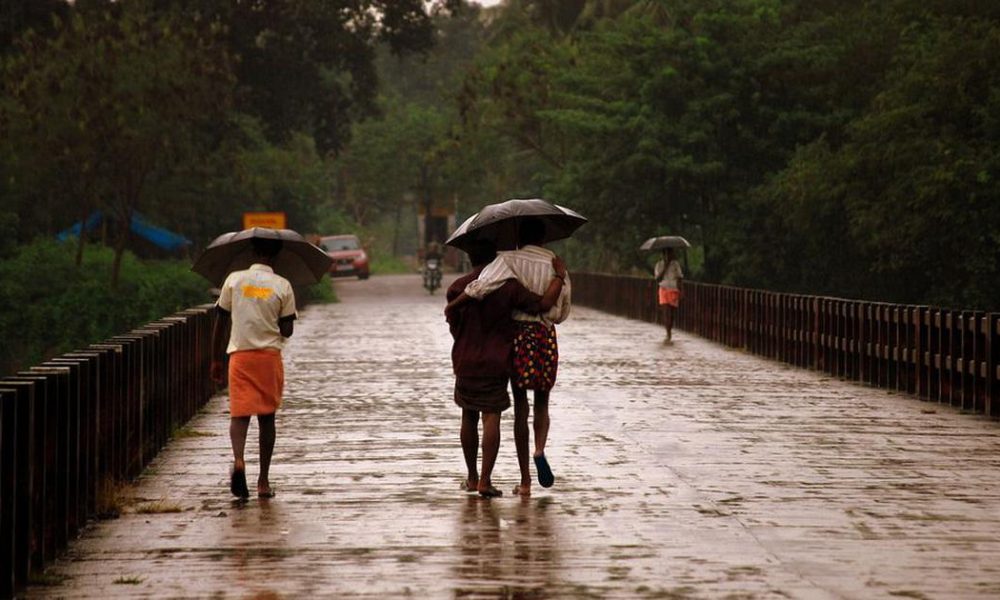
The India Meteorological Department (IMD) has reported a significant shortfall in rainfall during the southwest monsoon season, which concluded with a 12.6% deficit. This marks the driest monsoon in over a decade and the fourth driest in this century, raising concerns over water supply, agriculture, and overall climate health.
The monsoon, which typically begins around June 1, started late this year on June 4 and fully covered the nation by July 9, both dates delayed from the usual timeline. Over the four-month period, India received just 759.4 mm of rainfall, while the average over the last 50 years stands at 868.6 mm. The shortfall could have extensive implications for the agricultural sector, which heavily relies on monsoon rains for crops.
In related news, domestic airlines are facing mounting pressures as jet fuel prices have been raised by 13%, translating to an increase of Rs 15.8 per litre, bringing the total cost to Rs 137 per litre. This marks the third consecutive month of price hikes in aviation fuel, which constitutes approximately 40% of airlines’ operating expenses. As fuel prices soar, airlines may struggle to maintain profitability, potentially leading to higher ticket prices for consumers.
Moreover, the cost of 19-kg commercial liquefied petroleum gas (LPG) cylinders has also seen a rise of approximately Rs 62.5. As a result, the price of a 19-kg commercial LPG cylinder now stands at Rs 2,810 in Delhi and Rs 2,764 in Mumbai. This increase in fuel costs adds to the financial strain on households and businesses that rely on LPG for cooking and heating.
As India grapples with these economic challenges and a changing climate, the focus remains on finding sustainable solutions to ensure food security and manage rising costs. Policymakers and stakeholders in the agricultural and aviation sectors must work collaboratively to navigate through these testing times and mitigate the impacts on the average citizen.
Source: scroll.in







No Comment! Be the first one.