

India’s Exotic Pet Industry Surges Amid Alarming Abandonment Rates
The demand for exotic pets in India has surged dramatically, evolving from a niche hobby into a booming industry. A report by Humane World for Animals highlights that over 40,000 individuals across...

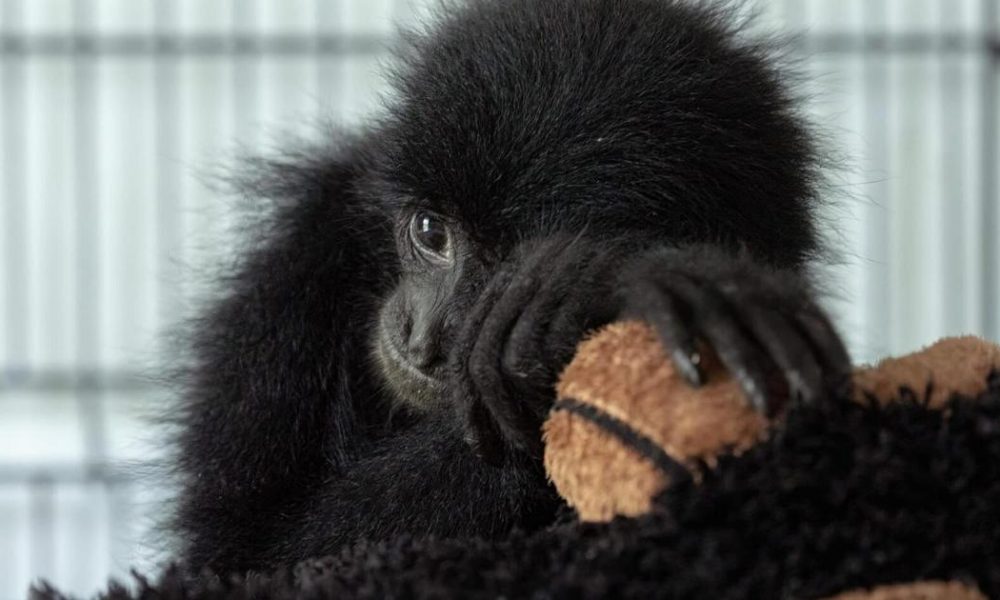
The demand for exotic pets in India has surged dramatically, evolving from a niche hobby into a booming industry. A report by Humane World for Animals highlights that over 40,000 individuals across 30 states and union territories reported owning exotic pets under the government’s 2020 Voluntary Disclosure Scheme. However, experts suggest that this figure may only scratch the surface of actual ownership, raising concerns about the welfare of these animals and the ecological implications of their abandonment.
Various factors contribute to the allure of owning exotic pets. According to conservation researcher Uttara Mendiratta, the motivations are multifaceted. Many are drawn to the uniqueness of these animals, viewing them as a status symbol that sets them apart from others. The fascination with what is perceived as rare or “cool” also plays a significant role in influencing potential pet owners. Furthermore, some individuals mistakenly believe that certain exotic species are easy to care for, leading to impulsive purchases.
Research from Japan indicates an additional layer to this phenomenon. A consumer study found that many buyers are attracted to the “mental healing” effect associated with these animals, a sentiment known as Iyashi in Japanese culture. The perceived cuteness of these creatures, termed Kawaii, further solidifies their appeal. Social media platforms have accelerated this trend, creating a marketplace where potential buyers can easily connect with sellers, discover trending exotic species, and access information on their care.
Despite the attractive marketing and appeal, reality often tells a different story. Many prospective owners find that the challenges of caring for these exotic pets far outweigh their expectations. Animals that may seem small and charming in pictures can become complex responsibilities that demand time, resources, and knowledge.
The growing trend has raised significant environmental concerns, particularly regarding the abandonment of these animals once owners realize they cannot meet their needs. This abandonment can lead to unforeseen ecological consequences, as many species do not naturally belong in the habitats to which they are released. This situation poses risks not only to the exotic animals themselves but also to local ecosystems, where they can disrupt existing wildlife.
Source: scroll.in







No Comment! Be the first one.