

International Court of Justice Poised to Deliver Ruling on Rohingya Genocide Case Against Myanmar
The International Court of Justice (ICJ) is expected to announce its ruling in the coming weeks regarding the genocide case brought against Myanmar by The Gambia. This case, formally known as The...

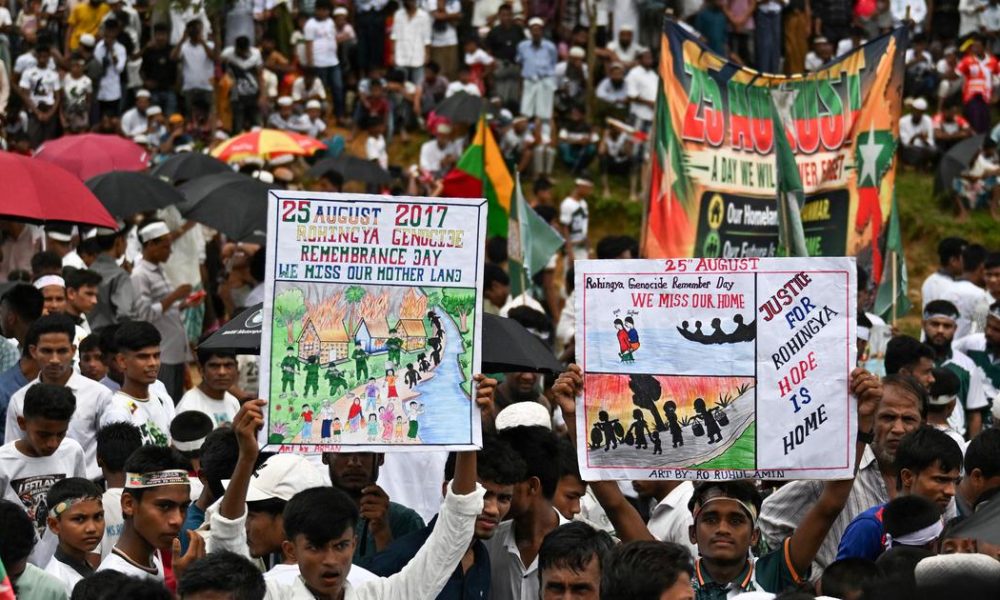
The International Court of Justice (ICJ) is expected to announce its ruling in the coming weeks regarding the genocide case brought against Myanmar by The Gambia. This case, formally known as The Gambia v. Myanmar, stems from allegations that Myanmar has violated the 1948 United Nations Genocide Convention in its treatment of the Rohingya people, an ethnic minority residing in the Rakhine state of Myanmar.
The Gambia, a small West African nation, initiated the legal proceedings in 2019, despite having no direct connection to the atrocities against the Rohingya. Under international law, countries are permitted to file cases at the ICJ if they believe another state has breached the provisions of the Genocide Convention. This principle was upheld by the ICJ in a 2022 ruling that rejected Myanmar’s attempts to dismiss the case on jurisdictional grounds.
Historically, the Rohingya community has faced systematic discrimination and persecution in Myanmar, primarily due to their Muslim identity in a predominantly Buddhist nation. A significant turning point occurred in 1982 when the Myanmar government enacted a law that effectively stripped the Rohingya of their citizenship, relegating them to a status devoid of basic rights and protections. The current case focuses on the violent military campaigns launched against the Rohingya by Myanmar’s armed forces, particularly during the crisis that unfolded between 2016 and 2017, which led to widespread reports of human rights abuses.
The ICJ’s forthcoming ruling holds significant implications not only for the Rohingya but also for international law and the global response to genocide. The ruling could potentially set a precedent for how the international community addresses similar cases of ethnic cleansing and state-sponsored violence. As the situation continues to evolve, the eyes of the world remain fixed on the ICJ as it prepares to deliver a verdict that may influence the course of justice for the Rohingya and shape international attitudes towards Myanmar’s government.
Source: scroll.in






No Comment! Be the first one.