

Kohat Mosque Attack Sheds Light on Pakistan’s Evolving Extremism Landscape
A recent suicide bombing and gunfire attack on a mosque in Kohat, Khyber Pakhtunkhwa province, has unveiled the precarious security dynamics in Pakistan. The incident, which occurred during Friday...

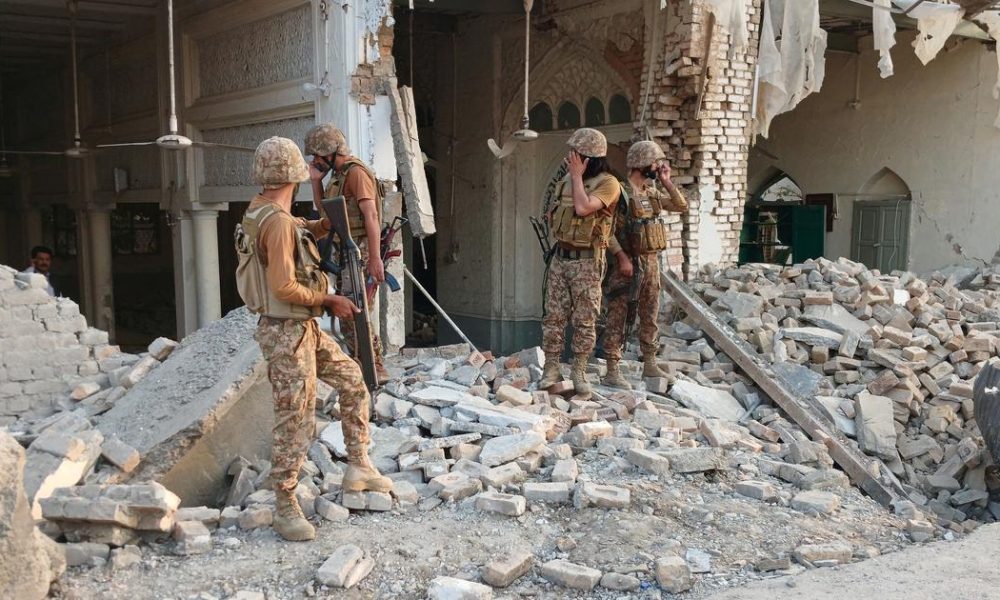
A recent suicide bombing and gunfire attack on a mosque in Kohat, Khyber Pakhtunkhwa province, has unveiled the precarious security dynamics in Pakistan. The incident, which occurred during Friday prayers on September 18, 2026, resulted in the tragic loss of 31 lives, including 16 police officers, and left over 100 individuals injured. This assault not only underscores the immediate threat posed by extremist groups but also reflects the intricate and shifting nature of militancy in the region.
The attack unfolded as worshipers were gathered for prayers when a suicide bomber drove an explosives-laden vehicle through a police complex wall adjacent to the mosque. Following the explosion, gunmen engaged in a protracted firefight with security forces that lasted approximately 20 hours. The responsibility for the attack was claimed by the Ittehad-ul-Mujahideen Pakistan (IMP), a militant group, via encrypted messaging platforms like Telegram. However, other affiliated extremist organizations have distanced themselves from this particular incident, indicating a rift within the radical factions.
In response to the attack, the Pakistani military launched airstrikes targeting locations in Afghanistan, believed to harbor at least one of the assailants. This action highlights the strained relations between the two neighboring countries, as Pakistan grapples with the challenge of mitigating cross-border terrorism while navigating its complicated ties with Afghanistan. The incident is a stark reminder of the persistent vulnerabilities that Pakistan faces, particularly in its northwest regions, where several extremist factions operate.
Scholars and analysts have been closely observing the activities of these violent groups, particularly the Ittehad-ul-Mujahideen Pakistan, over the past two years. The latest attack sheds light on the evolving dynamics among various militant organizations, revealing both cooperation and conflict within the extremist ecosystem. This landscape is marked by a constant battle for influence, resources, and ideological supremacy, making it difficult for the state to maintain a unified front against terrorism.
The Ittehad-ul-Mujahideen Pakistan is a coalition of jihadist groups that have gained notoriety for their violent campaigns. As the situation in Pakistan continues to deteriorate, the emergence of such groups poses a significant challenge not only to national security but also to regional stability. The implications extend beyond borders, affecting the geopolitical balance in South Asia and raising questions about the efficacy of counter-terrorism strategies employed by the Pakistani government.
Source: scroll.in






No Comment! Be the first one.