

Exploring Literary Tourism: The Allure of Fictional Places in Real Life
Literary tourism is witnessing a resurgence as more readers are drawn to locations that have inspired their favorite stories. From the haunting moors of the Brontë sisters in Haworth to the...

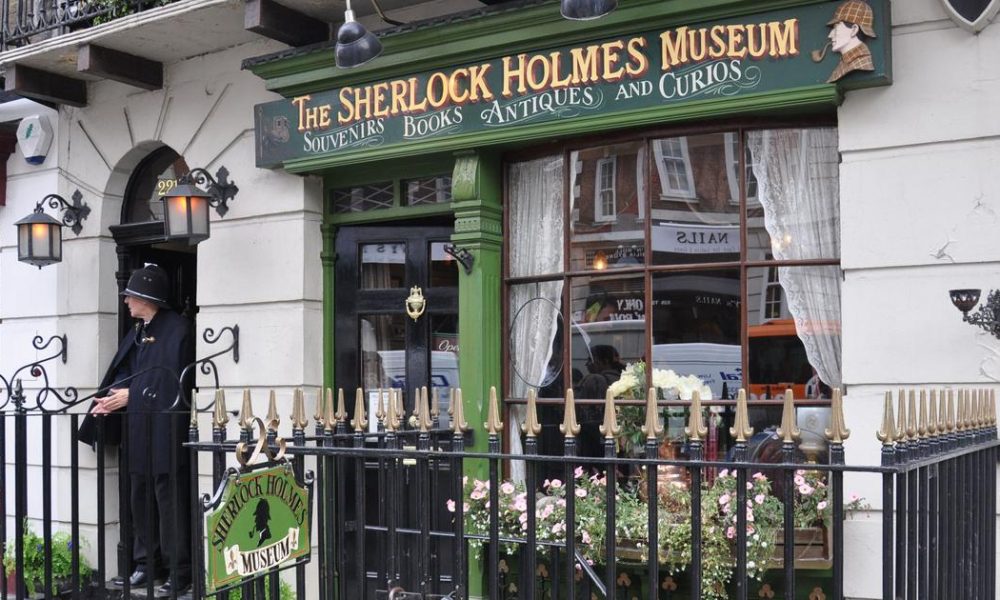
Literary tourism is witnessing a resurgence as more readers are drawn to locations that have inspired their favorite stories. From the haunting moors of the Brontë sisters in Haworth to the picturesque streets of Jane Austen’s Bath, and from the serene landscapes of Wordsworth’s Lake District to the rustic charm of Thomas Hardy’s Dorset, these iconic sites have long captivated the imagination of book lovers.
But what is it that literary tourists hope to discover when they visit these renowned locales? The answer is not as straightforward as one might think. While places like Haworth, Bath, and Dorset are tangible and can be located on a map, the essence of the Brontë moors, Austen’s Bath, Wordsworth’s Lakes, and Hardy’s Wessex often transcends their physical reality. These locations are imbued with a literary charm that is crafted from the authors’ imaginative worlds, making them unique in the minds of readers.
The concept of literary tourism is deeply rooted in history. The relationship between literature and geography began to take shape in the late 19th century, coinciding with the growing popularity of novels. This intersection of literary studies and physical geography gave rise to the field known as literary geography. Early pioneers, such as William Lyon Phelps, created maps that highlighted places connected to famous literary figures. His groundbreaking work in 1899, the Literary Map of England, pinpointed locations associated with notable authors and their works. Following this, William Sharp’s 1904 publication, Literary Geography, further expanded on this idea by categorizing regions into recognizable literary landscapes, such as “Dickens Land” and “Brontë Country.”
These initial literary maps invited readers to explore the overlaps between fictional narratives and real-world geography, offering a tangible way to experience the literature that shaped their imaginations. As readers step into these literary worlds, they often find themselves searching for the essence of the stories that captivated them, even if the physical locations do not match their mental imagery.
In contemporary times, this trend has adapted to modern platforms like TikTok, where users create travel itineraries based on beloved novels, blending literature with travel in innovative ways. As this trend grows, it reflects a broader cultural fascination with the places that have inspired writers across generations, encouraging new audiences to connect with literature in a multidimensional manner. Thus, literary tourism continues to be a potent reminder of the enduring impact of stories on our perceptions of place and identity.
Source: scroll.in







No Comment! Be the first one.