

Houthi Control Over Red Sea Chokepoint Highlights Divide Within BRICS Nations
Amid escalating tensions in the Middle East, the Houthi rebels have taken control of the Yemeni port city of Mokha and the strategically significant Mayyun Island, which overlooks the Bab al-Mandab...

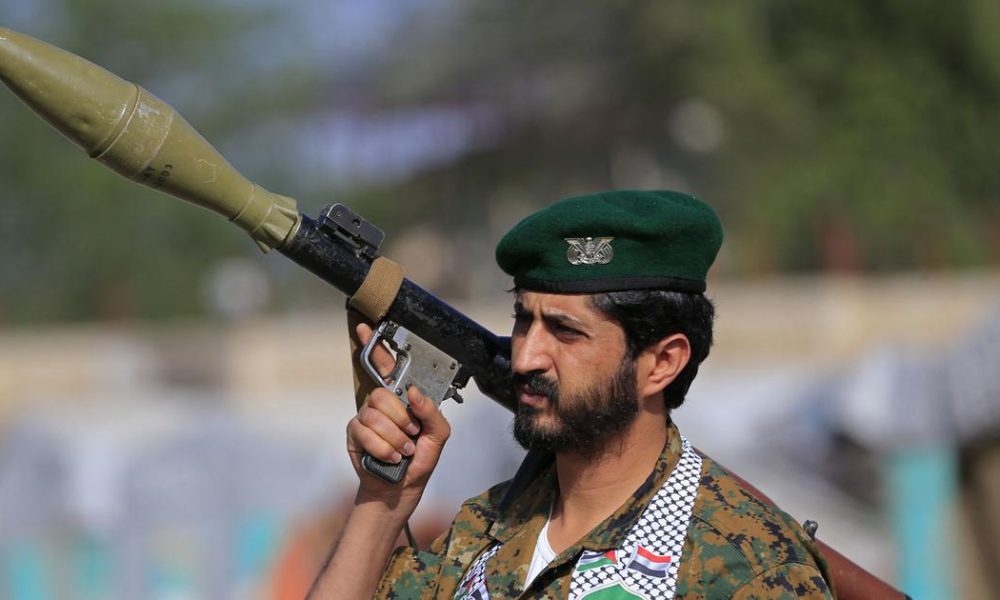
Amid escalating tensions in the Middle East, the Houthi rebels have taken control of the Yemeni port city of Mokha and the strategically significant Mayyun Island, which overlooks the Bab al-Mandab Strait. This significant development has effectively granted Iran’s most influential proxy in the region a near-total grip on Yemen’s Red Sea coastline, thereby reinforcing Tehran’s strategic advantages in critical maritime routes.
The Bab al-Mandab Strait, a vital artery for global trade, sees approximately 12% of the world’s total maritime commerce passing through it. The Houthis’ seizing of this chokepoint not only enhances Iran’s control but also raises alarms about disruptions in the Strait of Hormuz, where oil flows have already seen a marked reduction, plunging from about 9 million barrels daily to estimates between 3.7 and 6.4 million barrels.
At a time when geopolitical dynamics are shifting, the 18th annual BRICS summit convened in New Delhi the day after the Houthi’s latest territorial gains. The BRICS coalition, originally established by Brazil, Russia, India, China, and South Africa in 2006, aims to counterbalance Western influence in global financial and political institutions. The group has since expanded to include key nations such as Egypt, Ethiopia, Iran, Saudi Arabia, the UAE, and Indonesia, along with ten other partner countries.
Collectively, BRICS nations now account for almost half of the world’s population, about 40% of global GDP, and approximately 26% of international trade. However, the recent unrest in the Middle East is laying bare divisions within this diverse coalition. The differing interests and allegiances among member states pose significant challenges to achieving a unified stance on global issues.
As these events unfold, India’s role within BRICS becomes increasingly vital. New Delhi must navigate its strategic interests in the region while fostering cooperation among member nations. The geopolitical landscape is evolving, and the implications of the Houthis’ actions may resonate throughout BRICS, influencing both economic partnerships and political alliances in the coming years.
Source: scroll.in







No Comment! Be the first one.