

Emerging Threat: Nicotine Pouches Penetrate Indian Markets Amid Regulatory Gaps
A rising trend in India is raising alarm bells as nicotine pouches, a product introduced by major tobacco companies, are gaining popularity without much oversight. A recent study conducted by the...

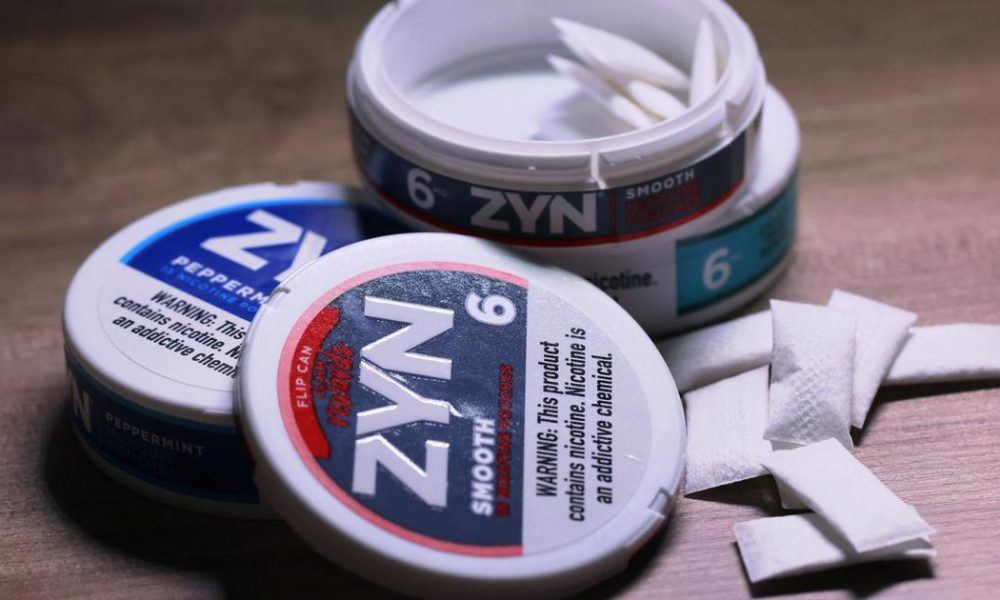
A rising trend in India is raising alarm bells as nicotine pouches, a product introduced by major tobacco companies, are gaining popularity without much oversight. A recent study conducted by the Indian Council of Medical Research’s National Institute of Cancer Prevention and Research highlights that these tobacco-free nicotine pouches are making their way into urban centers via online platforms, hookah lounges, and delivery services.
What is particularly concerning is the absence of clear regulations governing these addictive products in India. Available in an astonishing 445 flavors with nicotine strengths reaching up to 120 mg, these pouches pose a significant public health risk, especially among the youth demographic. The report emphasizes that they are rapidly infiltrating urban markets, targeting young adults through the loopholes in regulatory frameworks.
Nicotine pouches resemble small tea-bag-like sachets that contain nicotine, flavoring agents, and plant-based fibers. Users place the pouch between their lip and gum for up to an hour, allowing the nicotine to be absorbed directly into the bloodstream, all without the byproducts of smoke or vapor. This method of consumption is drawing in a new generation of users who may be unaware of the potential health risks involved.
This report from India comes on the heels of a warning from the World Health Organization issued in May, which highlighted the dangers associated with nicotine pouches. Many countries, including Singapore, France, Belgium, and the Netherlands, have already banned these products, citing concerns over their addictive nature and the lack of comprehensive health guidelines.
Unlike conventional smokeless tobacco products such as snuff or chewing tobacco, nicotine pouches are made without any tobacco leaf, dust, or stem. Instead, the nicotine utilized in these products is either extracted from tobacco plants or synthesized, making them appear less harmful at first glance. However, the lack of tobacco does not negate the addictive potential of nicotine itself, which poses significant health risks.
The rapid adoption of nicotine pouches in India underscores the urgent need for regulatory clarity and public awareness initiatives. As these products continue to gain traction in urban areas, it is imperative for policymakers to address this emerging health challenge before it escalates into a more significant crisis.
Source: scroll.in







No Comment! Be the first one.