

The Rising Economic Burden: Challenges Faced by Young Indian Women in the Workforce
In recent years, the narrative surrounding women’s participation in the Indian workforce has been optimistic yet complex. Ayesha, a 23-year-old professional in Delhi, embodies the struggles...

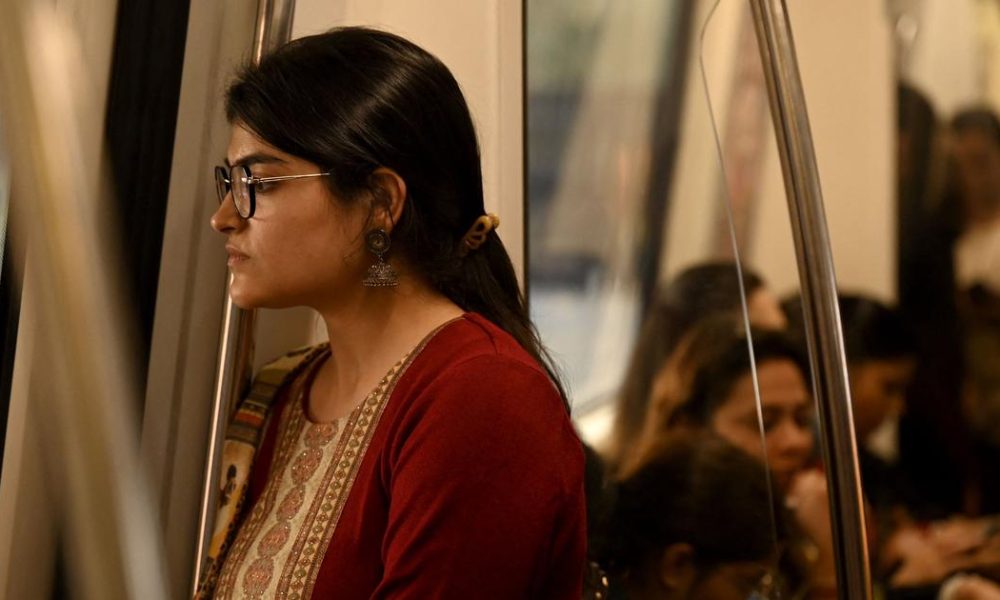
In recent years, the narrative surrounding women’s participation in the Indian workforce has been optimistic yet complex. Ayesha, a 23-year-old professional in Delhi, embodies the struggles faced by many young women who, despite securing their dream jobs, find themselves grappling with financial hardships. After completing her master’s degree in social sciences, Ayesha celebrated her entry into the corporate world with a starting salary of Rs 40,000. However, the reality soon set in as she contended with exorbitant living costs that left little room for savings or financial stability.
With a monthly rent of Rs 18,000 for a gated accommodation, Ayesha quickly realized that her salary was barely sufficient to cover her living expenses. The high costs associated with daily necessities such as food, transportation, and contributions to her family further strained her finances. Ayesha’s experience highlights a broader issue faced by many first-generation working women in India, particularly from marginalized communities, who have overcome significant barriers to enter the workforce.
The latest Periodic Labour Force Survey reveals that women’s participation in the workforce has risen to 40% in 2025, a remarkable increase from 23.3% in 2017-2018. However, this growth is not evenly distributed, with a notable concentration of new entries among rural workers. Moreover, a significant portion of this workforce surge is attributed to a reclassification that designates women performing subsistence and domestic tasks as “self-employed.” This shift in definition obscures the struggles of urban women, especially those from Dalit or Muslim backgrounds, who often face familial and societal resistance while striving for financial independence.
For many such women, the journey to a stable career is fraught with challenges that extend beyond mere employment. Many have had to overcome cultural and familial expectations that traditionally prioritize home and family over personal ambition. The added burden of financial constraints can deter them from pursuing opportunities that could lead to upward mobility. As they navigate the complexities of balancing work and home life, the lack of affordable housing and accessible transport options exacerbates their plight.
In conclusion, while the statistics paint a picture of progress in women’s workforce participation, they also underscore the need for more comprehensive support systems that address the economic realities faced by young women in urban India. Ayesha’s story is a poignant reminder of the ongoing challenges that many first-generation female workers encounter in their quest for autonomy and success.
Source: scroll.in






No Comment! Be the first one.