

Over One-Third of Workers in the U.S. Face Job Insecurity, Highlights Economist
In today’s evolving job market, a new study suggests that approximately one-third of American workers are classified as ‘disposable,’ meaning they have little to no job security or career...

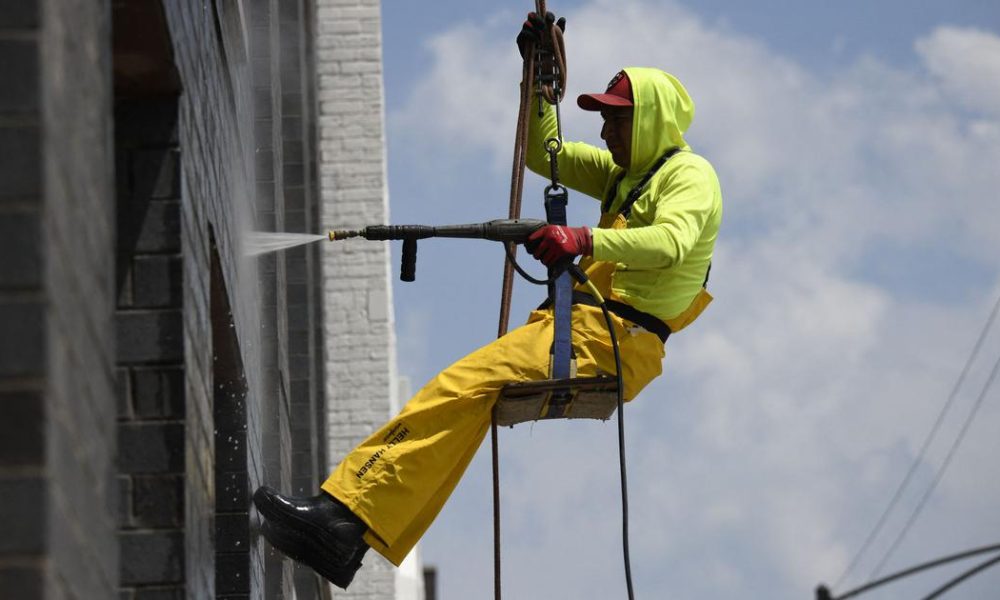
In today’s evolving job market, a new study suggests that approximately one-third of American workers are classified as ‘disposable,’ meaning they have little to no job security or career advancement opportunities. This unsettling trend has drawn significant attention from labor economists, who argue that the implications extend far beyond individual employment, affecting the overall economy and society.
The term ‘disposable jobs’ refers to positions where employees are treated as temporary resources rather than integral members of an organization. An alarming study reveals that nearly 57 million workers in the United States fall into this category, a staggering figure when considering the total workforce of around 162 million. The phenomenon is prevalent in various sectors, from hospitality to retail, where individuals often find themselves in positions that offer minimal benefits and little hope for a sustainable future.
A labor economist, whose newly published book titled Disposable Workers: The Transformation of Employment dives deep into this issue, elaborates on the various factors contributing to this trend. Through extensive research, the economist categorizes these ‘disposable jobs’ into three distinct types, illustrating how they manifest in everyday workplaces. These categories help clarify the challenges faced by those in such roles and highlight the systemic issues that allow these employment practices to persist.
The repercussions of this trend are significant. Workers in these disposable roles often experience heightened levels of stress and uncertainty, which can lead to a decrease in overall job satisfaction and mental health. Moreover, the lack of job security can drive up turnover rates and create instability within industries. These conditions can create a cycle of poverty for many workers, as the absence of stable employment undermines their ability to plan for the future.
As the global economy continues to shift, the debate around the nature of work and employee rights is becoming increasingly urgent. The economist advocates for reforms that would provide greater protections for vulnerable workers and promote more sustainable employment practices. In a world where gig economies and contract work are on the rise, the need for action has never been clearer, urging society to reevaluate how it defines work and the value it places on its workforce.
Source: scroll.in







No Comment! Be the first one.