

Sajjan Kumar, Former Congress MP Convicted for 1984 Anti-Sikh Riots, Passes Away at 80
Former Congress Member of Parliament Sajjan Kumar, who was serving a life sentence for his role in the 1984 anti-Sikh riots, has died at the age of 80 in a Delhi hospital, as reported by PTI. While...

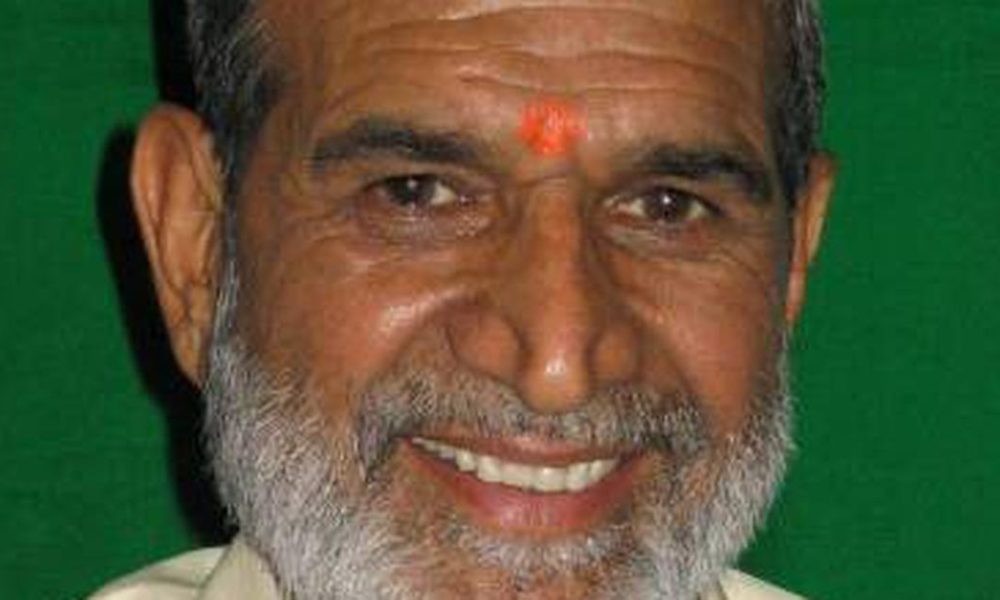
Former Congress Member of Parliament Sajjan Kumar, who was serving a life sentence for his role in the 1984 anti-Sikh riots, has died at the age of 80 in a Delhi hospital, as reported by PTI. While the exact cause of his death remains unclear, Kumar’s passing marks a significant moment in the long and contentious history of the events that transpired in Delhi over three decades ago.
Kumar was convicted in December 2018 by the Delhi High Court in connection with the brutal murder of five members of a Sikh family during the violence that erupted following the assassination of Prime Minister Indira Gandhi on October 31, 1984. The court found him guilty of multiple charges, including murder, inciting communal hatred, and vandalism. His conviction was part of a broader judicial effort to bring justice to the victims of one of the country’s darkest chapters, where nearly 3,000 Sikhs were killed in the capital alone.
Following the assassination of Gandhi by her Sikh bodyguards, widespread riots ensued, with mobs reportedly supported by certain political leaders targeting the Sikh community. The violence led to significant loss of life and property, and to date, only 28 convictions have been secured out of 587 complaints filed in relation to these incidents. Kumar’s involvement in these events had not only marred his political career but also led to widespread condemnation and a loss of faith in the justice system for many victims and their families.
Notably, Kumar had served three terms in the Lok Sabha, representing the Outer Delhi constituency during the time of the riots. After his conviction in 2018, he resigned from the Congress party, distancing himself from the political organization amid growing public outcry regarding the handling of the anti-Sikh riots cases. He was convicted once again in February 2025, further solidifying his controversial legacy.
As India continues to grapple with the repercussions of the 1984 riots, Kumar’s death invites a renewed discourse on accountability, justice, and reconciliation for those affected by the violence. The legacy of the anti-Sikh riots remains a sensitive subject, and the pursuit of justice for the victims and their families continues to be a pressing issue in Indian society today.
Source: scroll.in





No Comment! Be the first one.