

Exploring the Depths of Indian Life: Five Poems Reflecting Trauma and Resilience
The intricate tapestry of life in India is often woven with threads of trauma, resilience, and profound beauty, as illustrated in five poignant poems that encapsulate the spectrum of human...

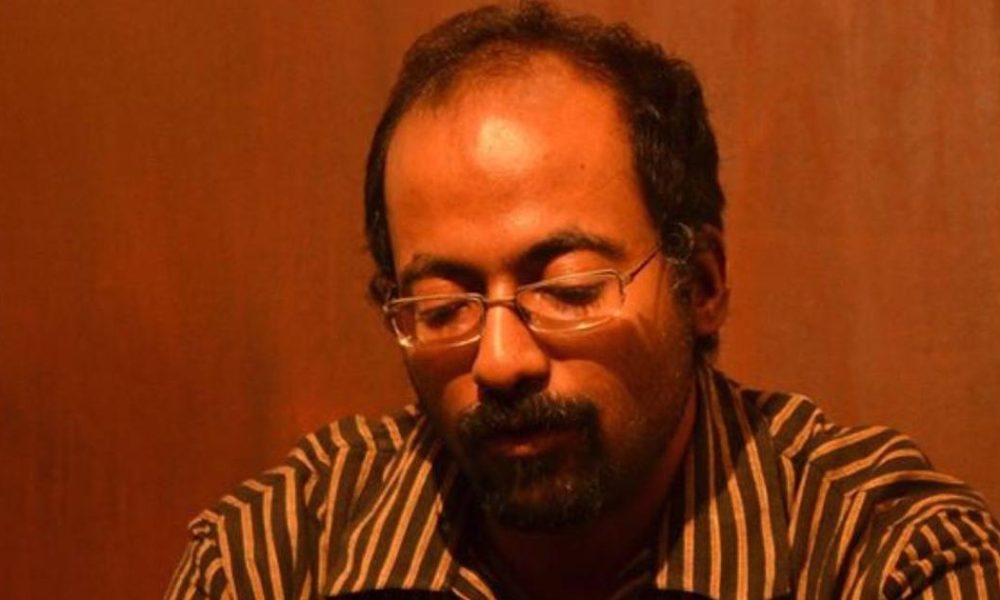
The intricate tapestry of life in India is often woven with threads of trauma, resilience, and profound beauty, as illustrated in five poignant poems that encapsulate the spectrum of human experiences across the nation. Each piece resonates with the struggles, joys, and the complex identities that define modern Indian society.
The first poem invites readers to reflect on the absurdities of life. It begins with a reference to the Papal State, where individuals, unfamiliar with the ways of the world, express a desire to escape to a fantastical realm reminiscent of Gulliver’s travels. This whimsical notion quickly turns somber as it morphs into a metaphor for the generation gap and the evolution of identity, where children grow up too fast, burdened by the weight of ancestral expectations. The imagery of being ‘frozen in test tubes’ highlights the modern confinement of life within societal norms and expectations.
In the second poem, the raw emotion of loss and enduring hope is palpable. The verses speak of blood mingling with the earth, symbolizing a connection to one’s roots and the unyielding nature of existence. The line ‘God’s will reigns over planes’ serves as a powerful reminder of faith amidst chaos, while the metaphor of the sea roaring truth signifies the unrelenting quest for reality despite external adversities. This piece concludes with a note of optimism, suggesting that prosperity will return, much like the fruitful markets bustling with life, a celebration of resilience.
Moving to the third poem, the poetic landscape of Bengal is vividly portrayed through a cascade of sensory images. The poet juxtaposes the region’s cultural vibrancy against its historical struggles, embodying the essence of Bengal’s intellect and rich heritage. References to ‘thorny-fish’ and ‘mishti-doi’ reflect both the culinary richness and the layered experiences of its people. This poem serves as a powerful homage to the complexities of belonging, identity, and the cultural nuances of a region steeped in history.
The fourth poem, recounting a personal memory, evokes tenderness and the anguish of familial bonds. The imagery of ‘breasts with scales’ introduces a surreal quality, inviting readers to ponder the nature of nurturing and the weight of expectations placed upon individuals within families. The poet identifies as an outsider, an ‘albino’ amidst vibrant siblings, underscoring the feeling of isolation despite familial connections. This intimate reflection on identity strikes a chord with many who feel different or marginalized.
Finally, the fifth poem offers a meditative reflection on pain and its artistic representation. The crow perched on a ‘gabled roof of claymore mines’ symbolizes the ever-present threat of violence and the absurdity of human suffering in the modern age. The notion of catharsis through art emerges as the poet grapples with the paradox of beauty intertwined with anguish. This exploration of the human condition provokes contemplation on how society interprets pain and creativity, ultimately fostering a dialogue about resilience and hope.
Source: scroll.in





No Comment! Be the first one.