

Exploring the Interwoven Threads of Religion and Governance in Indian History
The intricate relationship between governance and religion in India, spanning centuries from the Chola dynasty to British colonialism, continues to pique the interest of historians and scholars...

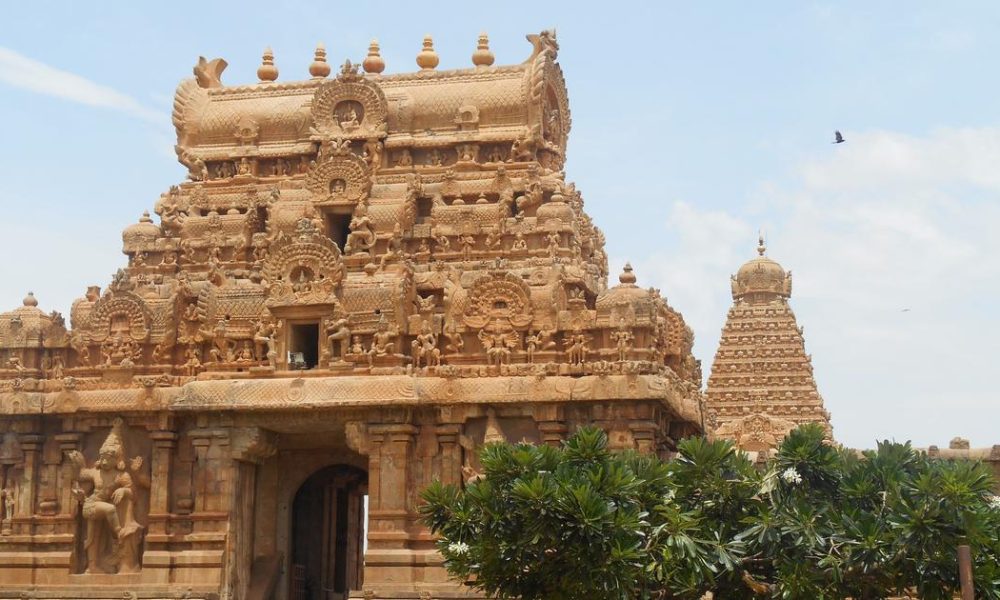
The intricate relationship between governance and religion in India, spanning centuries from the Chola dynasty to British colonialism, continues to pique the interest of historians and scholars alike. Notably, the work of academics Arjun Appadurai and Carol A. Breckenridge highlights the pivotal role that temples, particularly in the South Indian cities of Chennai and Madurai, played in this dynamic.
In their research, Appadurai and Breckenridge delve into the concept of the deity as the ‘paradigmatic sovereign.’ In South Indian temples dedicated to deities like Shiva and Vishnu, daily rituals, referred to as rājōpachāra, resemble royal ceremonies. This term signifies the royal honors bestowed upon the deities, involving elaborate practices that include the use of palanquins, performances by dancers and musicians, and the adornment of deities with flowers, crowns, and jewels typically reserved for royalty.
During significant events, such as temple car (ther) festivals, the principal deity is paraded through the streets, reminiscent of how a king would engage with his subjects. Devotees gather en masse to catch a glimpse, offer prayers, and seek blessings, which underscores the enduring connection between the divine and the sovereign. This ritualistic involvement not only highlights the spiritual significance of the deity but also illustrates how governance and religious worship have been intertwined throughout Indian history.
Outside the sacred confines of temples, the deity’s role extends to commanding resources essential for maintaining the ritualistic practices. Temples have historically received substantial donations in the form of lands, jewelry, and various patronage, which facilitated the sustenance of these religious activities. This transactional relationship between devotees and deities showcases the influence of religion on the socio-economic landscape of ancient and medieval India.
The historical narrative suggests that the governance model in India was not solely political but also deeply rooted in religious practices. This blend of governance and spirituality is not only a significant aspect of Indian identity but also continues to resonate within contemporary society. Understanding this relationship offers valuable insights into the cultural fabric of India, where the echoes of past dynasties and their divine patrons can still be felt today.
Source: scroll.in






No Comment! Be the first one.