

Historic Sighting: Eurasian Lynx Captured on Camera in Sikkim
A remarkable discovery has emerged from the Tso Lhamo plateau in Sikkim, where a camera trap has successfully captured an image of a Eurasian lynx. This sighting is significant as it represents the...

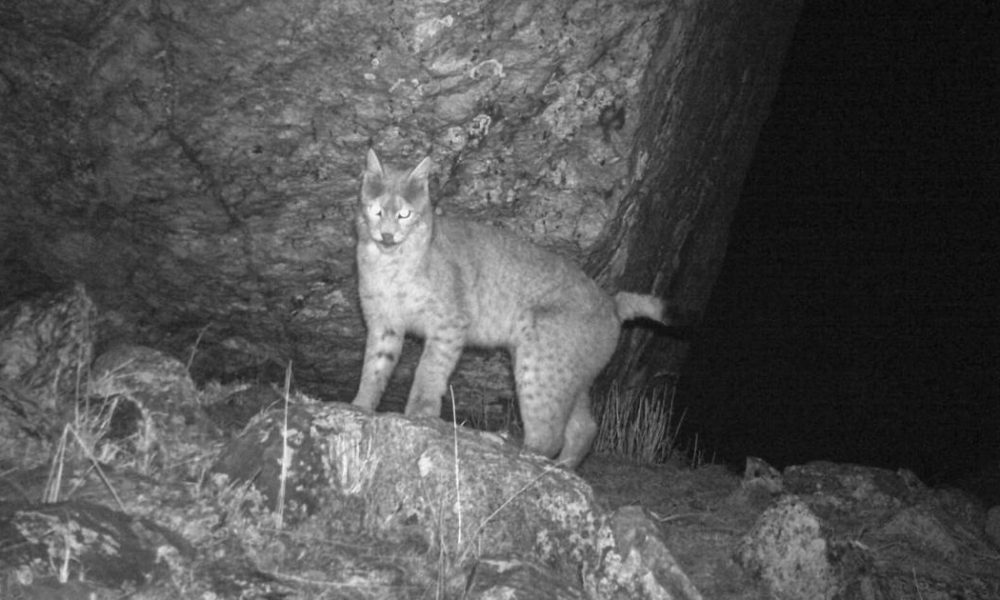
A remarkable discovery has emerged from the Tso Lhamo plateau in Sikkim, where a camera trap has successfully captured an image of a Eurasian lynx. This sighting is significant as it represents the first time this elusive species has been documented in the state, and it stands as the second confirmed record of the lynx within the Eastern Himalayas.
The photograph was taken in January 2026 at a staggering altitude of 5,250 meters in the Mangan district, showcasing the lynx navigating a rugged, sparsely vegetated slope typical of high-altitude terrains. This finding is part of a broader initiative aimed at monitoring snow leopards and their ecological surroundings, led by the Sikkim Forest Department in collaboration with WWF-India.
The ongoing project focuses on assessing the health of trans-Himalayan rangelands while keeping tabs on snow leopards and other wildlife species that inhabit these remote areas. The recent sighting in Sikkim follows a notable record from 2025 when a Eurasian lynx was photographed in Arunachal Pradesh during a joint survey conducted by WWF-India and the local forest department.
According to Udai Gurung, the Chief Conservator of Forests (Wildlife) in Sikkim, this discovery accentuates the ecological importance of the region’s high-altitude rangelands. He emphasized the role of local communities, particularly the Lachen Dzumsa, a traditional self-governance body, in facilitating access to these challenging areas for research and conservation efforts.
The Tso Lhamo region, with its unique blend of ecosystems, presents a critical area for scientific research. The presence of the Eurasian lynx not only enhances the biodiversity of the region but also serves as a reminder of the fragile balance within these high-altitude environments. As conservationists continue to monitor these habitats, such findings reinforce the need for ongoing commitment to environmental protection and resource management in Sikkim and beyond.
Source: scroll.in







No Comment! Be the first one.