

Mumbai Police Issue Notices to TISS Professors Over Alleged Support for Arrested Student
The Mumbai Police have formally issued notices to two professors from the Tata Institute of Social Sciences (TISS) following their alleged involvement in sending suspicious messages to a former...

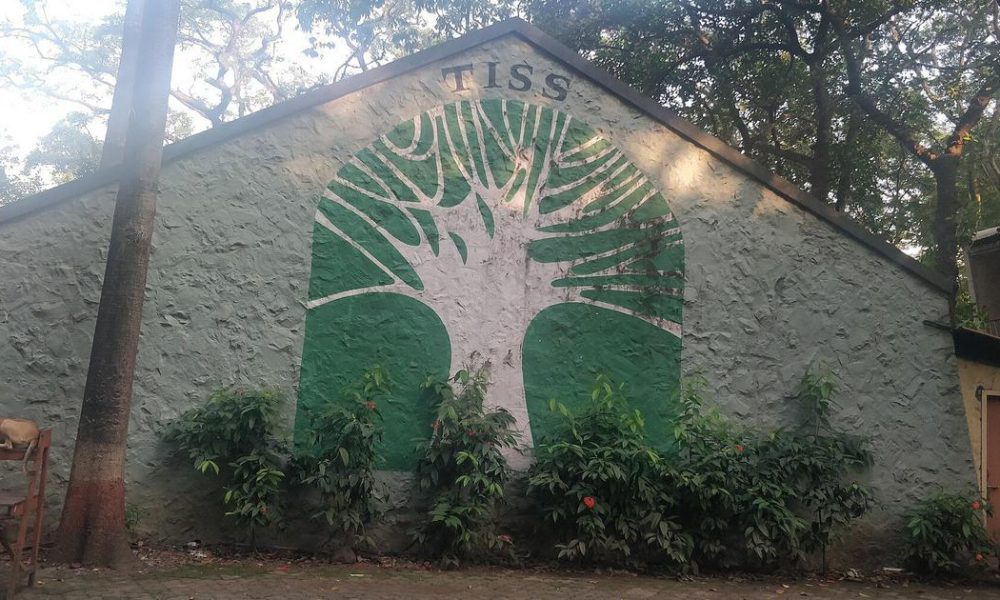
The Mumbai Police have formally issued notices to two professors from the Tata Institute of Social Sciences (TISS) following their alleged involvement in sending suspicious messages to a former student, Abhirup Paul, who was arrested recently. This incident has stirred discussions around academic freedom and the implications of supporting activists in a politically charged environment.
Abhirup Paul was apprehended on Friday, reportedly for expressing support for jailed activists Umar Khalid and Sharjeel Imam during a protest. Both Khalid and Imam have been incarcerated for over five years under the Unlawful Activities Prevention Act (UAPA), facing serious allegations linked to a conspiracy behind the violent riots in Delhi in 2020. Despite the serious nature of the charges, the trial has yet to commence, and their requests for bail have consistently been denied.
In a broader context, the arrests of Paul and another TISS student are reflective of a worrying trend in which academic institutions and their members find themselves at odds with law enforcement when expressing dissenting views. Both students have also been charged with possessing literature that authorities claim showcases Maoist ideology, further complicating their legal standing. The ramifications of these developments extend beyond individual cases, raising questions about the freedom of expression within educational spaces.
Paul’s arrest came soon after a Mumbai court denied their anticipatory bail applications, a decision that has drawn criticism from various civil rights groups. In a parallel case, seven other students who participated in an event last October to commemorate the death anniversary of the late professor GN Saibaba were granted anticipatory bail. Saibaba, who was known for his activism and suffered from severe disabilities, was imprisoned for over seven years on accusations of maintaining ties with Maoists before being acquitted by the Bombay High Court in March 2024.
The incidents surrounding these arrests highlight the precarious position of academic freedom in India today. As the nation grapples with issues of dissent and free speech, the actions of both the police and educational institutions will be scrutinized in the context of their broader implications for democratic values. The future of these students and their professors remains uncertain, as the interplay between law enforcement and academia continues to evolve in this challenging landscape.
Source: scroll.in


No Comment! Be the first one.