

The Challenges Facing the Konkani Language Movement Amidst Linguistic Politics
The Konkani language, named after the coastal region where it originated, boasts various dialects and is written in a multitude of scripts, including Perso-Arabic, Roman, Devanagari, Kannada, and...

The Konkani language, named after the coastal region where it originated, boasts various dialects and is written in a multitude of scripts, including Perso-Arabic, Roman, Devanagari, Kannada, and Malayalam. The complexities surrounding Konkani are deeply entwined with the politics of language in South Asia, particularly in relation to regional identity, official recognition, standardization, and the support given to different scripts. In Goa, the intricacies of linguistic and literary heritage are magnified despite its small geographical size.
Goan writers have contributed to a rich literary tradition in Konkani, utilizing both Romi and Nagri scripts. However, the literary landscape of Goa is also vibrant with works in Marathi, English, and Portuguese. Notably, one of the earliest novels in South Asia, titled ‘Os Brahmanes’ by Goan author Francisco Luís Gomes, was published in 1866. This novel’s title translates directly to ‘The Brahmans’ in English, showcasing the historical importance of language in the region.
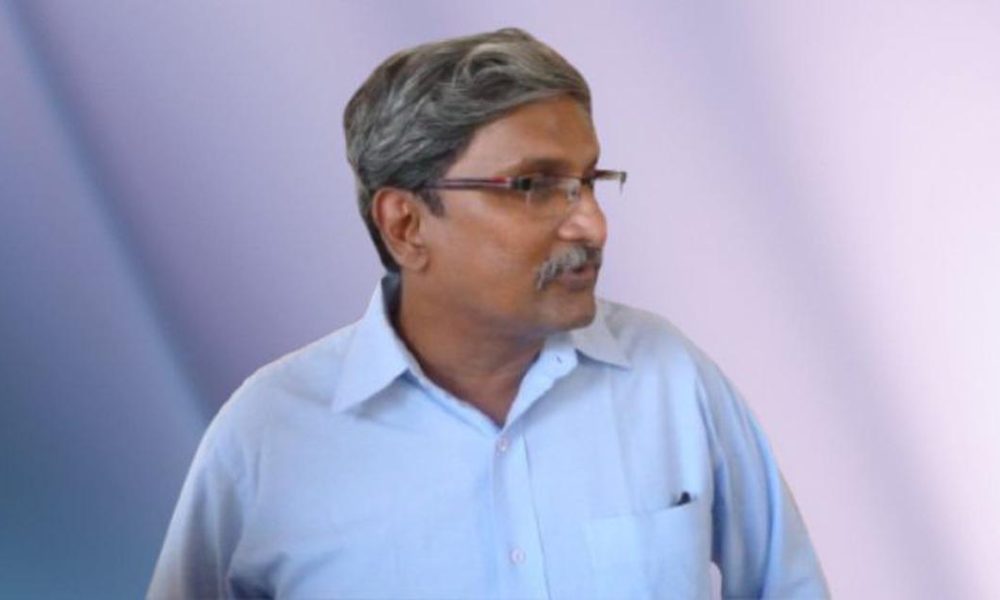
Despite this rich heritage, the translation of literary works within Goa remains limited, contributing to ongoing tensions among various linguistic communities. While translation efforts alone might not resolve the conflicts between languages and scripts, they can facilitate communication and cultural exchange. Against this backdrop, translator Augusto Pinto has emerged as a significant figure, working to bridge these linguistic divides.
As the Konkani language movement continues to evolve, the belief that written language holds greater significance than spoken forms is proving detrimental to its progress. Advocates for Konkani argue that this mindset undermines the spoken dialects and the cultural expressions they encapsulate. The challenge lies in recognizing the value of all forms of communication, both written and oral, as equally important in preserving and promoting the Konkani identity.
In summary, the Konkani movement is at a crossroads, grappling with issues of advocacy, recognition, and the importance of diverse linguistic representations. To nurture a thriving Konkani culture, it is essential to embrace both the written and spoken facets of the language, fostering a more inclusive dialogue among its speakers.
Source: scroll.in







No Comment! Be the first one.