

Gurvinder Singh’s ‘Rehmat’: A Deep Dive into Migration and Memories
Imtiaz Ali’s latest film, Main Vaapas Aaunga, has recently made its debut on Netflix following a successful theatrical release. Central to this poignant tale is a gripping performance by veteran...

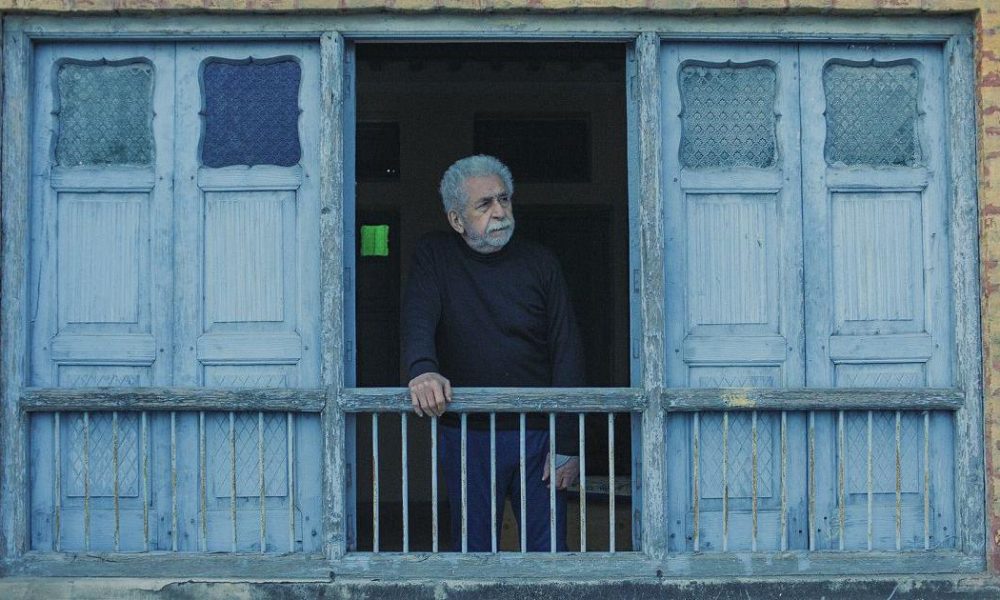
Imtiaz Ali’s latest film, Main Vaapas Aaunga, has recently made its debut on Netflix following a successful theatrical release. Central to this poignant tale is a gripping performance by veteran actor Naseeruddin Shah, portraying a 95-year-old man who struggles to hold onto the cherished memories of his first love from undivided India. In a similar vein, Shah takes on another profound role in Gurvinder Singh’s upcoming film, Rehmat, which delves into the emotional repercussions of the Partition.
In Rehmat, Shah plays Rashid, a character born in a Punjab village in India who embarks on a journey back to his roots after many years. This film has earned a notable spot in the International Competition section of the esteemed Locarno Film Festival, showcasing its artistic merit on an international platform. The cast is enriched by the talents of Diya Kamboj, Suvinder Vicky, Mita Vasisht, Harwinder Aujla, and Jaswant Zafar, who bring to life the interconnected stories woven throughout the narrative.
Gurvinder Singh, known for his distinctive cinematic style, presents Rehmat as his fifth feature since debuting with Anhey Ghorhey Da Daan in 2011. The screenplay, inspired by the works of renowned writer Ajeet Cour, intricately links the experiences of a young woman who provides refuge to an accused militant, his family’s struggle to comprehend his death, and Rashid’s return to his village. The film’s narrative unfolds with Singh’s signature long takes and nuanced performances, effectively capturing the essence of human relationships and the weight of history.
In Rehmat, the exploration of migration—both forced and voluntary—serves as a critical backdrop. Singh’s storytelling transcends mere events, creating emotional landscapes that resonate deeply with the audience. The film subtly portrays how the past continues to shape present identities and community dynamics, evoking a sense of nostalgia while also confronting painful realities. The audience is invited to witness not only Rashid’s personal journey but also the collective memories of a society grappling with its fractured past.
By blending personal narratives with broader social themes, Rehmat emerges as a crucial work that reflects on the enduring impact of the Partition. It challenges viewers to engage with their own histories and the migrations that have defined them, making it a significant addition to contemporary Indian cinema. As the film prepares for its screening at Locarno, anticipation builds around its reception and the conversations it will inspire about identity, memory, and belonging.
Source: scroll.in






No Comment! Be the first one.