

Former CEC SY Quraishi Unveils Long-Standing TRP Deception in New Book
In a revealing new publication, former Chief Election Commissioner (CEC) SY Quraishi sheds light on the longstanding issues surrounding Television Rating Points (TRP) in India, drawing parallels to...

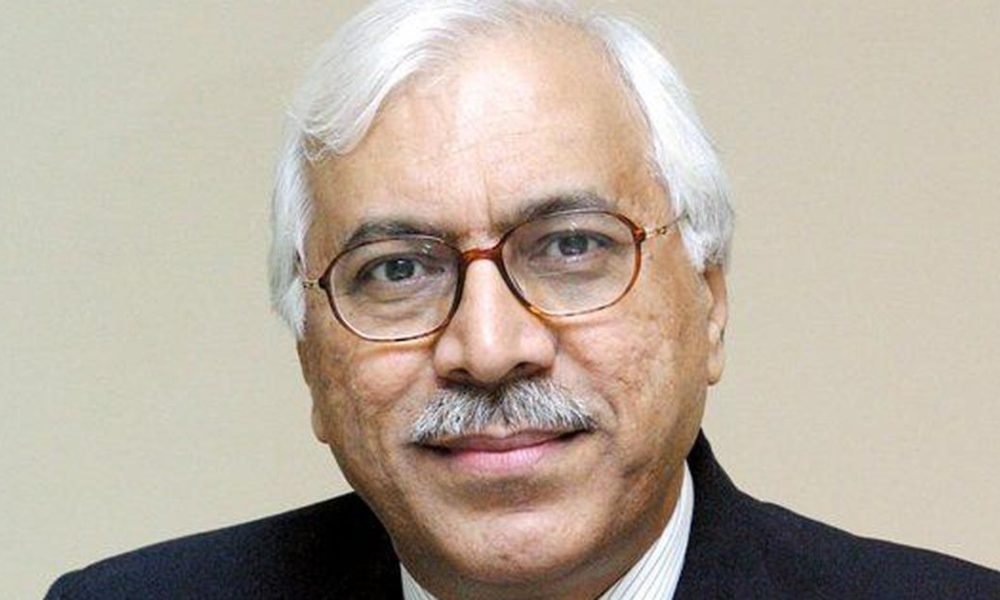
In a revealing new publication, former Chief Election Commissioner (CEC) SY Quraishi sheds light on the longstanding issues surrounding Television Rating Points (TRP) in India, drawing parallels to the notorious TRP scam uncovered by the Mumbai Police in 2020. While many view this scandal as a recent aberration in the media landscape, Quraishi argues that it reflects a pattern that began nearly two decades ago during his tenure as the Director General of Doordarshan in 2002-2003.
During this period, Doordarshan was a dominant force in Indian television, with a staggering 35 of the top 50 shows airing on its channels. Surprisingly, the ratings system, which was meant to portray viewer engagement, painted an inaccurate picture of Doordarshan’s relevance, suggesting it held merely 2-3% of the viewership market. This misleading statistic was particularly troubling given that it only accounted for cable and satellite households, which represent just half of India’s total television audience.
Quraishi points out a significant flaw in the ratings methodology: it excluded a substantial segment of the population that relied solely on terrestrial broadcasting, where Doordarshan stood as the sole provider. By focusing exclusively on cable and satellite households, the system rendered a significant portion of Indian television viewers invisible, thereby distorting reality and adversely affecting advertising revenue for Doordarshan. This systematic oversight raised questions about the integrity of the TRP ratings and their impact on the broadcasting industry.
As Quraishi delves deeper into the mechanics of the TRP system, he reveals that there were once two distinct methodologies used to gauge viewership. However, the shift towards a singular focus on cable and satellite homes has led to an organized misrepresentation of viewership data. With Doordarshan’s extensive reach and historical significance, the consequences of this distortion have been profound. Not only did it mislead advertisers, but it also undermined the financial viability of one of India’s oldest broadcasting entities.
Quraishi’s insights serve as a critical reminder of the need for transparency and accuracy in media measurement. As the industry evolves, the lessons from the past should guide present and future practices to ensure that all viewers are accounted for, and that their preferences are reflected in the ratings that drive advertising investments. This new book not only highlights the deep-seated issues within the TRP system but also calls for a reassessment of how viewership is measured to reflect the true diversity of India’s television landscape.
Source: scroll.in







No Comment! Be the first one.