

Unseen Carbon Footprints: The Environmental Cost of India’s Urban Development
As India grapples with the urgent realities of climate change, the conversation often skims the surface, focusing primarily on visible effects such as extreme heat waves, urban flooding, and...

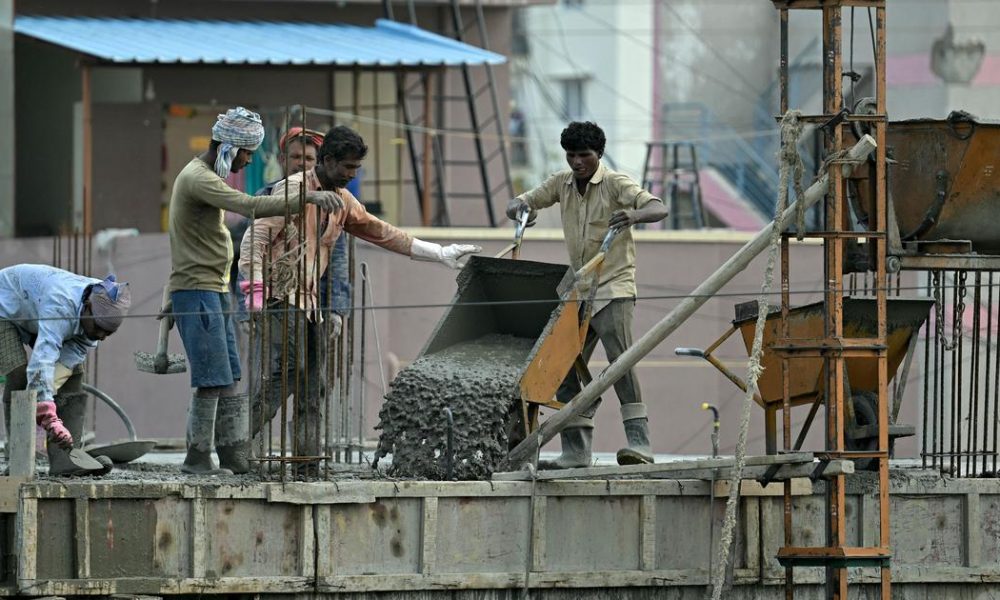
As India grapples with the urgent realities of climate change, the conversation often skims the surface, focusing primarily on visible effects such as extreme heat waves, urban flooding, and deteriorating air quality. While these issues are critical, they do not encompass the entirety of the environmental challenges posed by urbanization. A significant yet overlooked contributor to climate change remains the carbon emissions generated by the nation’s expanding built environment.
In a country where rapid urbanization is the norm, the carbon footprint of each building constructed poses a challenge that cannot be ignored. Globally, buildings are responsible for approximately 34% of annual carbon dioxide emissions—making this sector the largest contributor to greenhouse gas emissions. In India, the buildings sector’s share of national emissions is not only substantial but also on a troubling upward trajectory as the demand for housing and infrastructure accelerates.
The predominant narrative surrounding building emissions tends to concentrate on “operational carbon,” which refers to the emissions produced during the lifespan of a building, primarily related to energy consumption for heating, cooling, and lighting. While enhancing energy efficiency is crucial, this focus often sidelines another critical aspect—”embodied carbon.” This refers to the carbon emissions generated throughout the lifecycle of a building, from the extraction of raw materials through to their transportation and the construction process itself.
Once a building is erected, the embodied carbon becomes a permanent fixture of its total carbon footprint, making it vital for policymakers and stakeholders to address this issue proactively. As India is expected to add more than 50 billion square feet of built space in the coming decades, the implications of neglecting embodied carbon could be catastrophic for the nation’s climate goals.
To mitigate these impacts, a holistic approach is essential. This includes adopting sustainable construction practices, utilizing eco-friendly materials, and implementing robust policies that promote the reduction of both operational and embodied carbon emissions. Engaging architects, builders, and the public in a shared understanding of these issues will be vital to ensure that future developments are not just functional but also environmentally responsible.
Source: scroll.in







No Comment! Be the first one.