

PM Modi Announces Fast-Track Courts to Tackle Paper Leaks Amid Protests and Political Repercussions
In a significant move aimed at addressing the rising concerns over examination paper leaks, Prime Minister Narendra Modi announced the establishment of fast-track courts dedicated to swift justice...

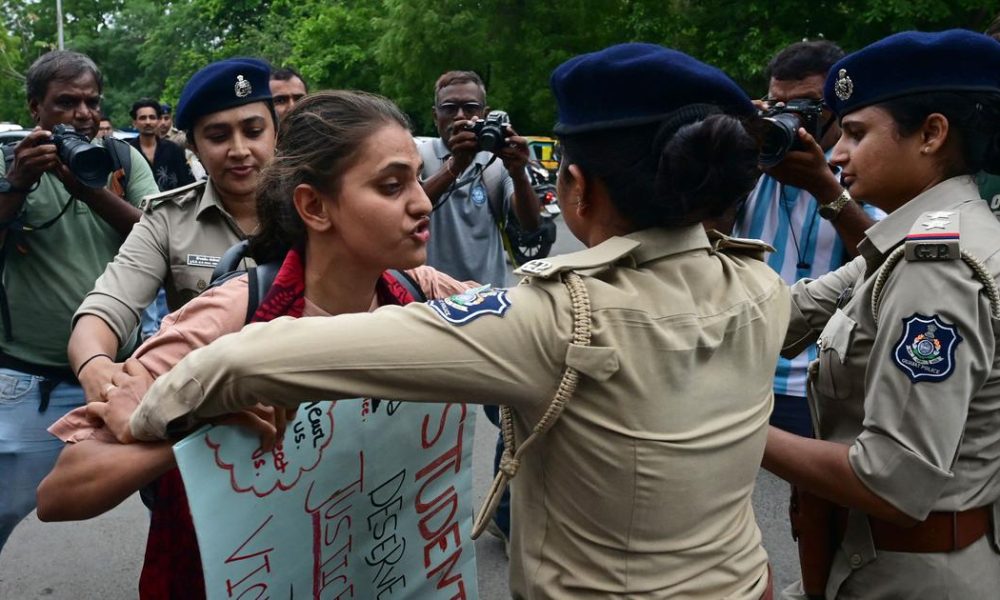
In a significant move aimed at addressing the rising concerns over examination paper leaks, Prime Minister Narendra Modi announced the establishment of fast-track courts dedicated to swift justice for those involved in such criminal activities. Modi emphasized that “those who attempt to jeopardize the future of our youth will face strict consequences,” reflecting the government’s commitment to safeguarding educational integrity.
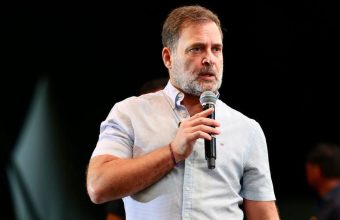
The decision comes in the wake of intense scrutiny and calls for accountability following numerous incidents of paper leakages that have marred the competitive examination landscape in India. The Cockroach Janta Party (CJP) has been vocal in its demand for the resignation of Union Education Minister Dharmendra Pradhan, citing mismanagement as a major contributor to the ongoing crisis. In a pointed critique, Congress leader Rahul Gandhi asserted that it is actually Modi who has inflicted the most harm on the aspirations of the youth through his policies.
On the same day, both Houses of Parliament faced repeated adjournments, primarily due to uproar from Opposition MPs protesting against police actions taken against demonstrators on Monday. These protests were largely driven by student groups advocating for justice in response to the paper leaks, with many calling for greater transparency and reform in the education sector. The atmosphere in Parliament underscored the growing disconnect between the government and various stakeholders, particularly the youth.
Amidst the turmoil, the Editors Guild issued a strong statement condemning the violence against journalists who were covering the protests. Reports emerged of media personnel being attacked while attempting to report on the demonstrations, with videos surfacing that depicted incidents of heckling and physical confrontations. Notably, Times Now reporter Dev Kotak was seen with a torn shirt, illustrating the hostile environment journalists were subjected to while documenting the unfolding events in Delhi.
The Guild’s assertion that biased media coverage does not justify violence against journalists highlights the critical role of an independent press in a democracy. The tension between the media, the government, and the public raises questions about the current state of free speech and the safety of journalists in India.
Source: scroll.in



No Comment! Be the first one.