

Two Decades On: India’s Neem Patent Victory Highlights Ongoing Challenges in Protecting Ecological Knowledge
In 1994, a patent was granted to a US company and the United States Department of Agriculture (USDA) for a method utilizing neem extracts to combat fungal infections. However, this patent was met...

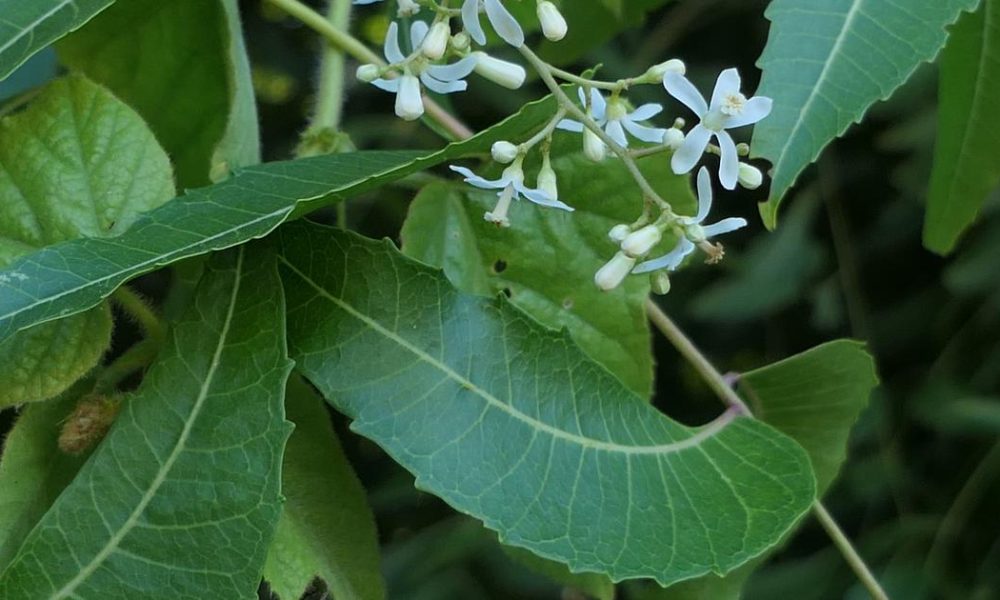
In 1994, a patent was granted to a US company and the United States Department of Agriculture (USDA) for a method utilizing neem extracts to combat fungal infections. However, this patent was met with significant backlash, as the neem tree had long been an integral part of traditional Indian medicine, agriculture, and craftsmanship. Its various uses were deeply enshrined in the history of Indian culture, with references to its pesticidal properties appearing in ancient Sanskrit texts.
After a protracted legal battle lasting six years, the Research Foundation for Science, Technology, and Ecology, an Indian organization, successfully challenged the patent, leading to its revocation in 2000. This landmark decision was reaffirmed by an appeal five years later, where the board concluded that the patented method did not possess the novelty or inventive qualities required for patent protection, particularly given its historical usage in India.
Fast forward to today, and the neem controversy serves as a cautionary tale rather than an isolated incident. The focus has shifted from individual plant compounds to the broader systems of ecological knowledge developed over generations by smallholder farmers and Adivasi communities. Such knowledge encompasses everything from soil microbiomes to agroecological decision-support tools and even advanced machine-learning models that rely on traditional agricultural practices.
Despite the rich heritage of this ecological wisdom, India’s legal framework remains ill-equipped to safeguard it against modern forms of biopiracy. Current discussions surrounding the misappropriation of biological resources still largely center on the specific biological materials rather than the intricate systems of knowledge that support biodiversity and sustainable agriculture.
The situation raises pressing questions about how India can effectively protect its indigenous knowledge in the face of evolving challenges. As the global focus on sustainable agriculture and biotechnology intensifies, there is an urgent need for a legal and regulatory framework that not only recognizes but also respects the contributions of local communities to ecological knowledge.
Source: scroll.in







No Comment! Be the first one.