

Split Verdict by Allahabad HC on Demolition of Properties Linked to Criminal Accusations
A recent split verdict from the Allahabad High Court has reignited the debate over the contentious issue of demolitions of properties owned by individuals accused of crimes. On Monday, a division...

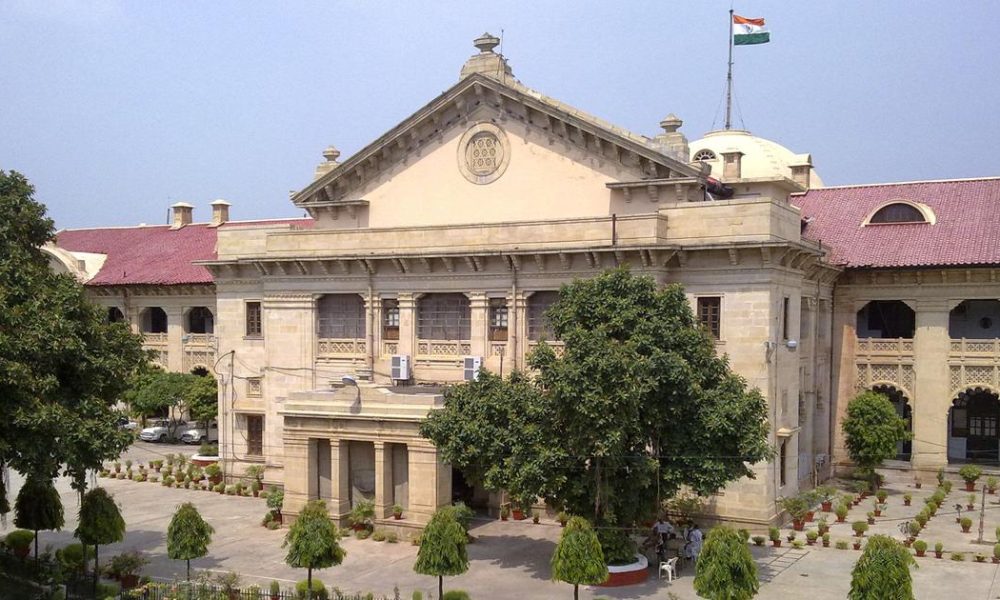
A recent split verdict from the Allahabad High Court has reignited the debate over the contentious issue of demolitions of properties owned by individuals accused of crimes. On Monday, a division bench comprising Justice Atul Sreedharan and Justice Siddharth Nandan presented opposing views on whether a two-year moratorium should be imposed on such demolitions following the filing of a First Information Report (FIR).
Justice Sreedharan advocated for the two-year freeze, arguing that immediate demolitions can be a disproportionate response to allegations, while Justice Nandan disagreed, leading to the referral of the case to the chief justice for a ruling from a third judge. This outcome is significant given that demolitions of properties owned by individuals accused of crimes have been a growing trend, particularly in states governed by the Bharatiya Janata Party (BJP).
In November 2024, the Supreme Court had deemed such punitive demolitions illegal, emphasizing the necessity for due process before any action can be taken against alleged illegal encroachments. However, the Allahabad High Court remarked earlier this year that these demolitions persist despite the Supreme Court’s admonition, suggesting a troubling disregard for judicial directives.
Both justices acknowledged that arbitrary demolitions undermine the rule of law. Sreedharan specifically highlighted that hastily demolishing a person’s residence under the pretext of municipal violations is unacceptable and equates to an abuse of executive authority. He stated, “This practice cannot be justified as it amounts to a retributive exercise of executive discretion.” His comments underscore a critical tension in the use of state power versus individual rights.
The broader implications of this split verdict raise questions about the legal framework surrounding property rights and the protection of citizens against excessive state actions. As the issue continues to unfold, it may encourage public discourse on the balance of justice and the potential for governmental overreach in punitive measures. The subsequent decision by the chief justice could set a significant precedent regarding the treatment of properties linked to criminal allegations in India.
Source: scroll.in







No Comment! Be the first one.