

Mumbai Police Take Action Against Protesters in CJP Solidarity Demonstration
The Mumbai Police have initiated legal proceedings against over 50 individuals following a solidarity protest organized at Chaityabhoomi in Dadar. This demonstration was staged in response to the...

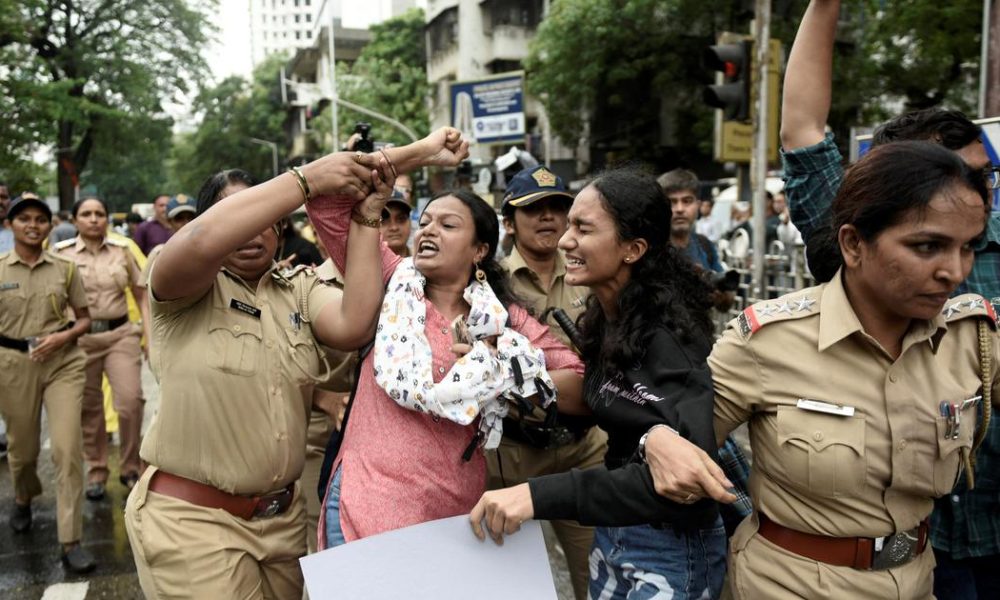
The Mumbai Police have initiated legal proceedings against over 50 individuals following a solidarity protest organized at Chaityabhoomi in Dadar. This demonstration was staged in response to the police crackdown on the Cockroach Janta Party’s (CJP) march to Parliament in Delhi, which was met with tear gas and baton charges. The protests in both cities reflect growing discontent regarding the current political climate and the government’s handling of various issues.
According to reports, the Mumbai Police filed three separate cases at the Mahim and Shivaji Park police stations against the event’s organizers and numerous participants. The charges fall under the Bharatiya Nyaya Sanhita and the Maharashtra Police Act, which stipulate regulations concerning public gatherings. Authorities stated that the protest lacked the necessary permissions and that restrictions against public assemblies were in place at the time of the rally.
In an effort to maintain order, the Mumbai Police have implemented a city-wide ban on gatherings of five or more individuals without prior approval, starting Thursday and lasting until August 6. This action further highlights the authorities’ stringent stance on public protests, echoing the sentiments from the crackdown in Delhi. In addition, several students who had previously been detained during the protest have been served notices to participate in the ongoing investigation, according to police sources.
The protest in Delhi coincided with the opening of the Monsoon Session of Parliament and aimed to hold Union Education Minister Dharmendra Pradhan accountable for alleged mismanagement of competitive examinations. While police blocked the leaders from advancing to Parliament, some demonstrators managed to regroup at various locations in central Delhi, prompting security personnel to deploy tear gas and resort to baton charges to disperse the crowd.
This series of events underscores the rising tensions between citizens and the state regarding freedom of expression and assembly, particularly in light of the ongoing concerns about governance and accountability in the educational sector. As the political climate continues to evolve, the reactions from both the public and authorities are set to shape India’s democratic landscape.
Source: scroll.in







No Comment! Be the first one.