

Exploring the Role of Indentured Labourers in Shaping India’s Foreign Relations
The legacy of indentured labourers, often referred to as ‘coolies,’ holds significant implications for India’s historical and contemporary foreign relations. While these individuals...

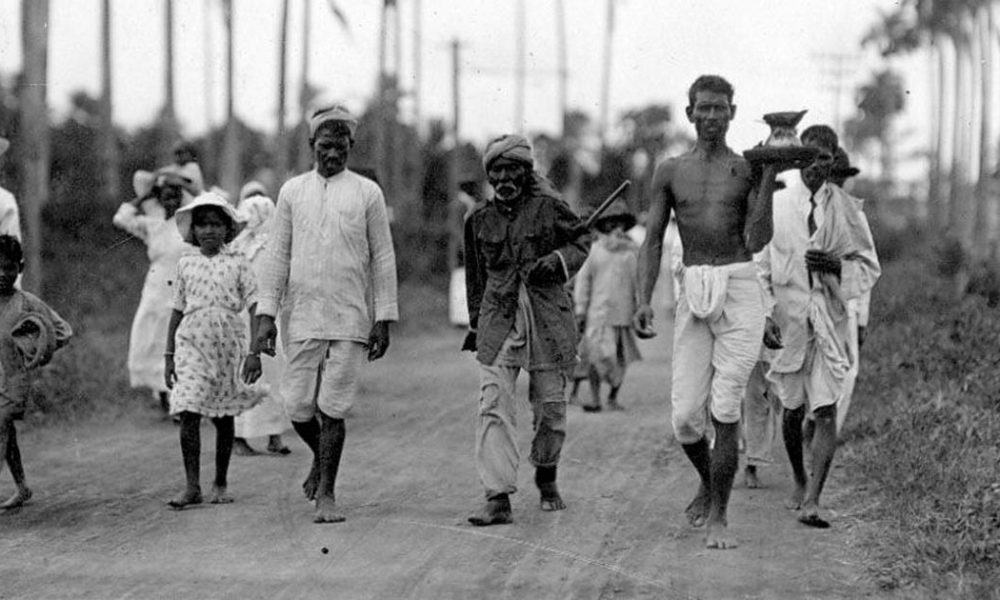
The legacy of indentured labourers, often referred to as ‘coolies,’ holds significant implications for India’s historical and contemporary foreign relations. While these individuals have been viewed with disdain in the past, their journeys across the seas have played a crucial role in redefining India’s image on the global stage.
In 1937, during a tour of Malaya, Ceylon, and Burma, Jawaharlal Nehru articulated a vision for India’s future in the changing international landscape. His speeches to Indian communities illustrated how the plight of the ‘coolie’ reflected the broader struggles of a colonized nation seeking respect and dignity. Nehru understood that the migration of millions of Indian labourers through indentured systems had tarnished the country’s reputation and highlighted its subjugation under colonial rule.
The issues surrounding indentured labour were not merely humanitarian but deeply intertwined with national pride and identity. As India sought to forge an independent diplomatic identity, there was a pressing need to address the negative stereotypes associated with its labourers. The new Indian leadership recognized that to elevate India’s stature internationally, it was essential to redefine who represented the nation abroad. This meant managing the narrative around those who had been marginalized, including the indentured workers.
Efforts to end the indentured system became a crucial part of India’s diplomatic strategy. Leaders worked tirelessly to curtail the migration of coolies, which was perceived as detrimental to the nation’s image. However, this movement was met with resistance from various caste-oppressed communities who insisted on their right to mobility and representation. Their voices highlighted the complexity of India’s social fabric and the need for an inclusive approach to nation-building.
Ultimately, the story of indentured labourers is one of resilience and agency. While their contributions have often been overlooked, the evolution of India’s foreign relations cannot be fully understood without acknowledging their impact. The narrative of the ‘coolie’ is a testament to the struggles and triumphs of a nation striving for dignity and respect in the international arena, reminding us that every facet of society plays a role in shaping its destiny.
Source: scroll.in







No Comment! Be the first one.