

Umar Khalid’s ‘Fractured Communities’: A Deep Dive into Adivasi Histories Amidst Political Turmoil
Umar Khalid’s journey at Jawaharlal Nehru University (JNU) has been one marked by both academic ambition and severe political strife. Initially focusing his doctoral research on the history of...

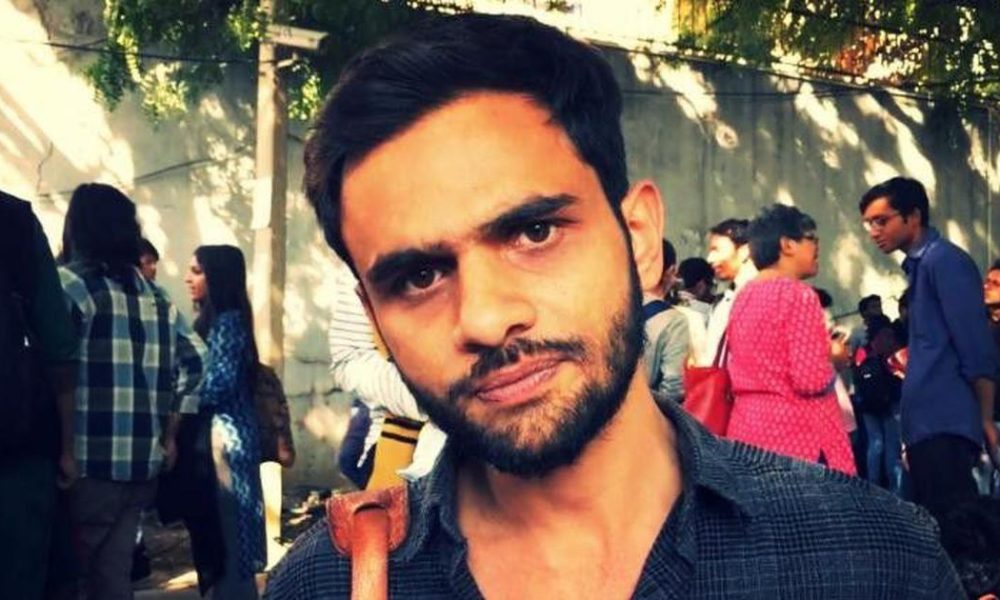
Umar Khalid’s journey at Jawaharlal Nehru University (JNU) has been one marked by both academic ambition and severe political strife. Initially focusing his doctoral research on the history of Adivasis in Singhbhum district, Khalid’s work reflects a profound commitment to marginalized communities, particularly during a time rife with social and political upheaval in India.
As Khalid delved into his research, he faced significant challenges that would dramatically alter the course of his life. His involvement in the JNU protests against the execution of Afzal Guru in 2016 led to widespread vilification and ultimately, his arrest. These events ignited intense debates around freedom of expression and dissent in the country. Khalid’s name subsequently emerged in connection with the Bhima Koregaon case, which was later recast as a Maoist conspiracy, resulting in a nationwide crackdown on activists and intellectuals alike.
Despite these adversities, including a harrowing armed attack by a fanatic and his ongoing detention without trial, Khalid steadfastly pursued his academic goals. His determination was evident when he completed his doctoral thesis, ‘Fractured Communities: Adivasi Histories and the Politics of Power.’ Initially, JNU’s refusal to accept his work led him to seek judicial intervention, underscoring the intersection of academia and political struggle in contemporary India.
Now published, ‘Fractured Communities’ serves not just as an academic text, but as a testament to Khalid’s resilience and a critical examination of the socio-political dynamics affecting Adivasi communities. In the book, he meticulously explores the historical narratives and political frameworks that shape the lives of these marginalized groups, providing readers with a nuanced understanding of their struggles for rights and recognition.
The foreword by renowned historian Ramachandra Guha adds further weight to Khalid’s work, positioning it within a broader discourse on social justice and the plight of disenfranchised communities. As Khalid approaches the sixth year of his imprisonment, his scholarship offers a poignant reminder of the ongoing challenges faced by those advocating for the rights of the marginalized in India.
Source: scroll.in







No Comment! Be the first one.