

India’s Diplomatic Corps in the Spotlight: Seeking Recognition for Leadership
In a reflective moment on India’s foreign diplomacy, a recent trend has raised eyebrows among observers of the Indian Foreign Service (IFS). The IFS, renowned for its role in enhancing...

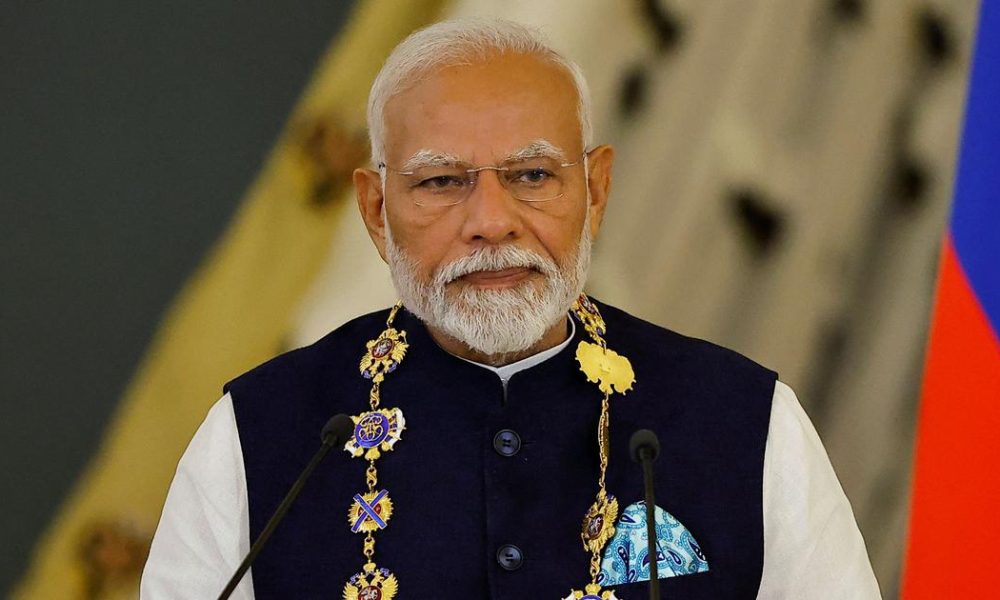
In a reflective moment on India’s foreign diplomacy, a recent trend has raised eyebrows among observers of the Indian Foreign Service (IFS). The IFS, renowned for its role in enhancing India’s global stature, now appears to be shifting focus by pursuing foreign accolades for specific political leaders, which could overshadow the values of the republic.
A decade ago, during a past engagement with the Indian Embassy in Sweden, a diplomat made a rather unusual appeal. The embassy sought assistance in securing an honorary doctorate for a visiting Indian political figure. Respectfully, I declined the request, emphasizing that such honors should be bestowed based on merit rather than diplomatic lobbying. Institutions like universities confer these degrees to individuals who have made significant contributions to society, not under pressure from foreign embassies. This incident exemplified the delicate balance between diplomacy and the integrity of national representation.
Fast forward to a recent discussion on India’s diplomatic practices, particularly regarding the placement and subsequent removal of Mahatma Gandhi’s statue at the University of Ghana. Initially erected with great enthusiasm, the statue’s later removal stirred controversy, as many academics speculated that it had been installed at the behest of the Indian High Commission, undermining local autonomy. This situation highlights the complexities of international relations and the expectations placed on diplomatic missions. The perception that the statue was a product of external pressure rather than a genuine acknowledgment of Gandhi’s legacy reflects a broader concern about how India’s diplomatic efforts are sometimes perceived.
Such instances raise questions about the broader implications of diplomatic initiatives. While it’s important for nations to promote their cultural icons and leaders, the methods employed must align with the values of respect and mutual understanding. The Indian diplomatic community has historically built relationships based on cultural diplomacy, but the contemporary trend of seeking awards and recognition for leaders risks compromising that foundation. It could lead to a scenario where personal ambitions overshadow the collective aspirations of the nation.
As India navigates its position on the global stage, it is crucial for its diplomats to engage in practices that foster genuine partnerships rather than merely pursuing accolades. The potential backlash from perceived aggressive lobbying can damage India’s reputation, and it is essential for the IFS to recalibrate its focus to ensure that it reflects the ethos of the republic while still promoting India’s interests abroad. Ultimately, the strength of India’s diplomacy lies in its ability to represent its culture and values authentically without succumbing to the allure of recognition at any cost.
Source: scroll.in







No Comment! Be the first one.