

Historical Tensions: Britain’s Struggles with Pathan Migration to Siam in the Early 1900s
In the twilight of 1908, British diplomat Walter Ralph Durrie Beckett encountered an unusual yet significant diplomatic challenge in Bangkok, Thailand. The Siamese government was growing increasingly...

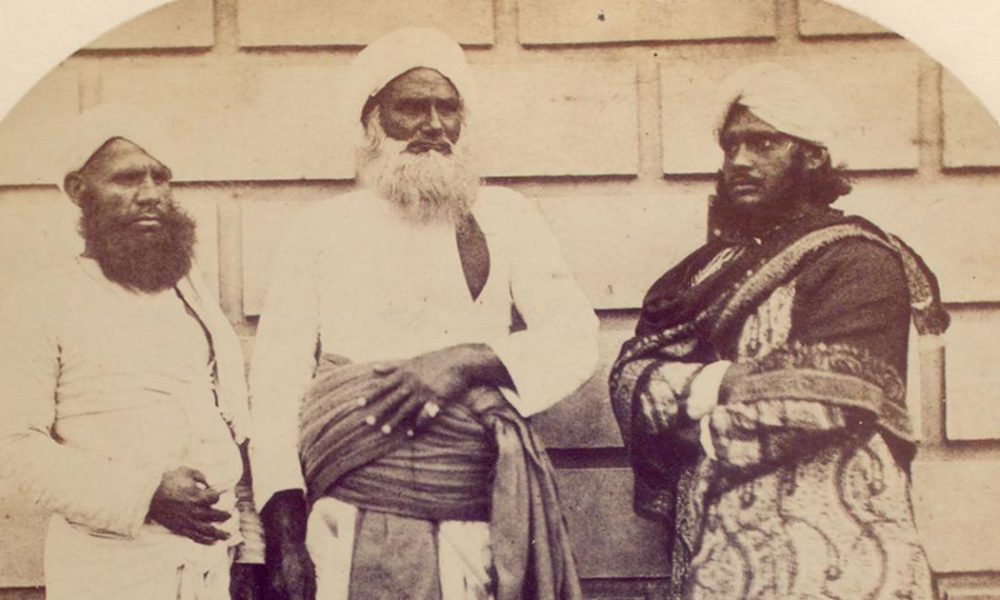
In the twilight of 1908, British diplomat Walter Ralph Durrie Beckett encountered an unusual yet significant diplomatic challenge in Bangkok, Thailand. The Siamese government was growing increasingly concerned about a rise in criminal activities allegedly linked to Pathan migrants from British India. This situation was complicated by the Bowring Treaty of 1855, which established that British subjects in Siam were subject to British jurisdiction, preventing local authorities from arresting or prosecuting them.
The implications of this treaty sparked a flurry of correspondence between British officials and the Siamese authorities, shedding light on the complexities of migration patterns from South Asia to Southeast Asia during the colonial era. As concerns over the activities of Pathan migrants mounted, British administrators were forced to grapple with the challenges posed by the growing community of these migrants, who were seen as potential threats to local security.
Historically, the presence of Pathans in Siam was negligible until the late 1880s. Beckett noted that the initial influx of Pathans occurred when they passed through the Federated Malay States, where they had temporarily settled for work. Over the years, this small community began to grow, leading to integration into Thai society. However, the early 20th century marked a turning point, wherein colonial officials began to view these migrants with increasing suspicion.
While today’s Pashtun community in Thailand, often referred to as Khaek Pathans or Pathan guests, is well integrated, the early records indicate a time of anxiety and deliberation among colonial authorities about implementing restrictive measures to regulate their movement. The British administration’s reluctance to address the crimes attributed to these migrants highlighted the limitations and challenges of extraterritorial privileges, underscoring the complexities of colonial governance.
As the correspondence between the British Legation and Siamese officials unfolded, it revealed not only the diplomatic strains but also the broader implications of migration and its impact on local societies. The challenges faced by both the British authorities and the Siamese government reflected a larger narrative of colonial interactions, where issues of security, governance, and cultural integration were at the forefront of diplomatic discussions. Today, as we look back at this historical episode, it serves as a reminder of the intricate relationship between migration and state sovereignty that continues to resonate in contemporary global contexts.
Source: scroll.in







No Comment! Be the first one.