

Supreme Court Declines to Hear Contempt Petitions Over Demolition Guidelines
The Supreme Court of India has decided not to entertain several contempt petitions that claimed ongoing demolitions were occurring in breach of its November 2024 ruling on property demolitions. This...

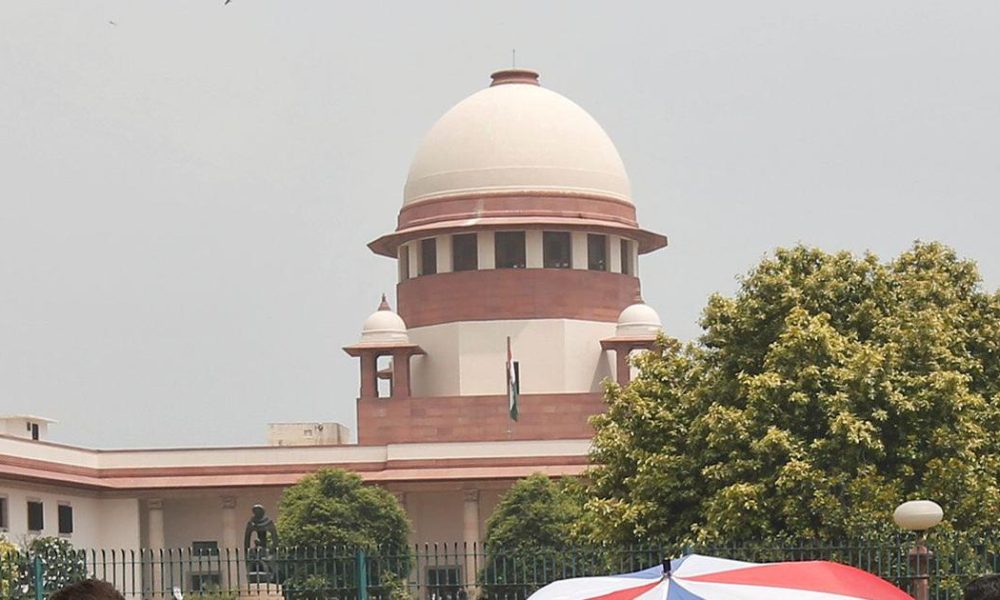
The Supreme Court of India has decided not to entertain several contempt petitions that claimed ongoing demolitions were occurring in breach of its November 2024 ruling on property demolitions. This ruling had established guidelines against the use of demolitions as a punitive action against individuals accused of crimes. Live Law reports that the bench, led by Chief Justice Surya Kant, advised that such concerns should be raised within the jurisdiction of the High Courts instead.
The court emphasized that the Indian legal framework does not support demolishing properties as a punitive measure. Despite this, the practice has reportedly gained traction in states governed by the Bharatiya Janata Party (BJP), where demolitions of properties associated with alleged criminals have become increasingly routine. The Supreme Court’s November 2024 judgement firmly declared these practices illegal, stipulating that proper legal procedures must be observed before any actions are taken to remove alleged illegal encroachments.
During the proceedings, the bench comprising Chief Justice Surya Kant, Justice Joymalya Bagchi, and Justice V. Mohana pointed out that individual cases involve factual disputes that the apex court cannot resolve for every claim presented. As a result, the contempt petitions have been redirected to the respective High Courts for consideration. Previously, the Supreme Court had issued notices to relevant authorities in connection to some of these petitions.
Among the petitions was one concerning the demolition of mosques in Somnath, Gujarat, where a lawyer representing the case urged the Supreme Court to take action, arguing that these demolitions represented clear violations of the guidelines set forth in the November judgement. Additionally, another lawyer representing a contempt case from Maharashtra noted that numerous demolitions have occurred without due process, raising serious concerns over the legitimacy of these actions.
This situation highlights the ongoing tensions surrounding property rights and legal practices in India, particularly in the context of political governance and the handling of crime. The Supreme Court’s refusal to intervene at this stage may indicate its preference for a more localized legal approach to address these issues, placing the onus on High Courts to adjudicate the specific claims of violations.
Source: scroll.in







No Comment! Be the first one.